
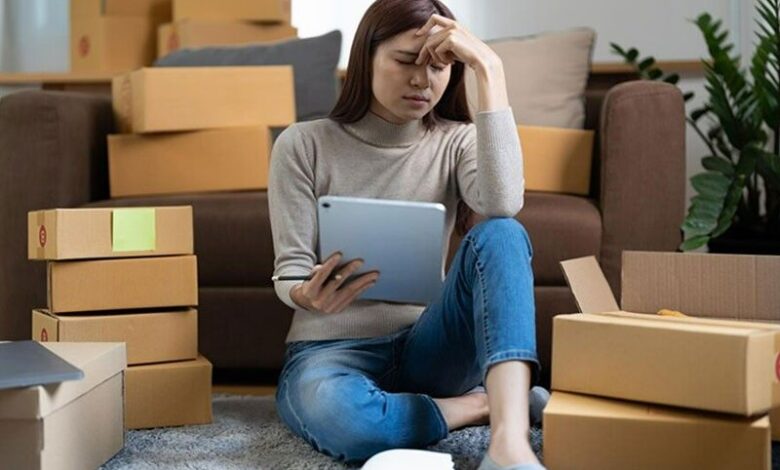
Online Shopping Depression is Real: Why Do You Shop More When You’re Sad?
Have you ever noticed that you tend to shop more online when you’re feeling sad, stressed, or emotionally drained? According to multiple studies, this behavior is not just a coincidence but a psychological response linked to online shopping depression. Researchers have found that people often turn to shopping as a way to cope with negative emotions. While it may provide temporary relief, it can also lead to unhealthy spending habits. With the rise of e-commerce, this behavior has become even more common. Understanding the connection between emotions and spending can help explain why this happens.
Online Shopping Depression: What is It?
Research in Comprehensive Psychiatry found a strong connection between depression and compulsive buying behavior called online shopping depression. In one study, individuals experiencing depression were significantly more likely to engage in excessive or impulsive shopping. In fact, another study found that up to 31.9% of depressed patients showed signs of compulsive buying behavior.
This suggests that shopping is often used as a coping mechanism rather than just a normal activity. The emotional state of a person plays a major role in how they spend money. Depression can increase the urge to seek quick emotional relief.
Online Shopping Makes It Even Easier
The connection becomes stronger when shopping moves online. A study involving 387 consumers found that depression and excessive internet use are directly linked to compulsive buying.
Online shopping removes barriers like travel, time, and effort, making it easier to buy impulsively. With just a few clicks, people can instantly purchase items without much thought. This convenience can amplify emotional spending habits. As a result, people dealing with online shopping depression may find it harder to control their spending.
Shopping as a Way to Cope With Negative Emotions
Psychologists explain that compulsive buying often acts as a response to negative emotions like sadness, stress, or loneliness. Studies show that shopping can temporarily reduce emotional discomfort and create a sense of relief or happiness.
This is why many people feel a “rush” or excitement when buying something new. However, this feeling is usually short-lived. Once it fades, the original negative emotions often return. This creates a cycle where people continue to shop to feel better.
ALSO READ: Zero Waste Stores: A Guide to Eco-Friendly Shopping
Stress and Emotional Distress Also Play a Role
It’s not just depression—stress and emotional distress are also major triggers. A study in CNS Spectrums found that people with higher levels of stress, anxiety, and depression are more likely to develop compulsive buying habits. Another research also showed that stress is positively linked to online compulsive buying, especially when people use negative coping strategies.
This means emotional struggles can directly influence spending behavior. The more distress a person feels, the more likely they are to shop impulsively.
Why It Feels Good—but Can Become a Problem
Online shopping can provide a sense of control and instant gratification, which is why it feels rewarding. It gives people a quick emotional boost during difficult moments. However, this can easily turn into a habit if used repeatedly as a coping mechanism. Over time, it may lead to financial problems and emotional guilt. This pattern is often referred to as compulsive buying or shopping addiction. Recognizing this cycle is the first step toward breaking it.
The connection between emotions and spending is real, and studies clearly show that online shopping depression is a growing concern in today’s digital world. While shopping can provide temporary relief, it should not replace healthy ways of coping with emotions. Understanding why this behavior happens can help people become more mindful of their spending habits. As online shopping continues to grow, awareness becomes even more important. In the end, emotional well-being should always come before impulsive purchases.