
Even Filipino Billionaires Were Hit by the Oil Crisis
Troubles in the Middle East recently caused oil prices to rise sharply, shaking up the Philippine economy. This sharp increase has led many to call it an oil crisis impacting the region.
Because of this, the country’s richest people, including Manny Villar, lost a total of about $5 billion in March. The Philippine Stock Exchange also dropped, and the peso fell to a record low of P60.748 against the dollar, as investors looked for safer places to put their money.
What Happened to the Richest Filipinos
Enrique Razon Jr. lost $1.4 billion, bringing his total wealth down to $15.1 billion. It’s clear that this ongoing crisis in oil prices has had a serious effect on the country’s elite. Manuel Villar suffered the biggest percentage loss, losing $900 million and dropping to fifth place among the country’s richest. Henry Sy Jr. and his siblings lost $1.2 billion in total as their company stocks fell. Some, like Tony Tan Caktiong, even dropped off the billionaire list completely.
Why the Peso and Stock Market Dropped
Higher oil prices make imports more expensive, which can raise costs for businesses and everyday goods. Investors reacted by selling stocks and moving money into safer options like US dollars. Therefore, the oil crisis contributed to the peso weakening and the stock market falling.
How This Affects Ordinary Filipinos
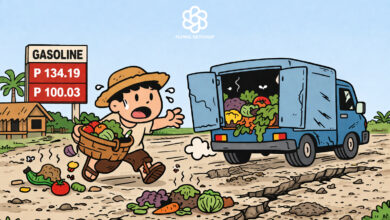
The rise in oil prices directly affects daily life. Gas prices go up, making transportation more expensive for commuters and delivery services, which can also increase the cost of goods in stores.
READ: 5 Bad Pinoy Money Habits You Might Be Doing
A weaker peso means imported products like electronics, medicines, and food ingredients cost more. Even savings and investments are affected because stock values and the value of the peso fluctuate. All of this can tighten household budgets, making everyday expenses feel heavier due to the ongoing crisis in oil markets.
What the Government Is Doing
The Philippine government is taking steps to ease the impact of the crisis. Officials are monitoring fuel prices and encouraging competition among suppliers to prevent excessive hikes. As a result of this oil crisis, measures like temporary fuel subsidies, cash assistance programs for low-income families, and adjustments to import policies are being considered to help stabilize prices and protect ordinary Filipinos.