
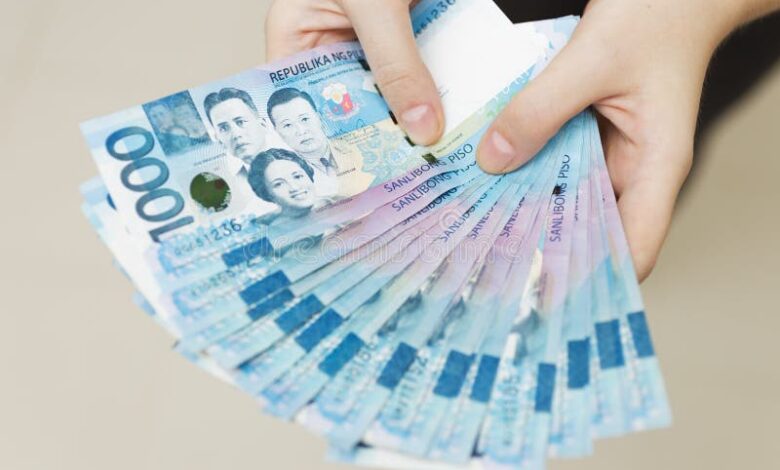
13th Month Pay: Who Gets It, How to Compute It and When
Private-sector employers must release the 13th month pay to rank-and-file workers on or before Dec. 24, and the Department of Labor and Employment (DOLE) accepts no requests for exemptions or delays.
The benefit, mandated by Presidential Decree 851, is a legal obligation, not a holiday bonus. DOLE issues a labor advisory each year as the holidays near, most recently Labor Advisory No. 16, Series of 2025.
Who qualifies
Any rank-and-file employee in the private sector qualifies, whatever the job title, employment status, or method of pay, as long as the person worked at least one month during the year.
Coverage reaches further than many workers assume. Piece-rate workers, employees earning a fixed wage plus commissions, and those with more than one employer are included. So are workers who resigned, were terminated, or went on maternity leave during the year.
Household workers now qualify as well. Employers of kasambahay were once exempt from the rule, but the Batas Kasambahay extended the benefit to them.
Some workers fall outside the rule. Government employees are not covered, and neither are workers paid purely on commission. Managerial employees are also excluded, as are those whose employers already pay an equivalent benefit.
How to compute it
The formula is simple: add up the basic salary earned during the year, then divide the total by 12. For example, an employee who earned ₱240,000 in basic pay over the year receives ₱20,000. Someone hired in July receives a proportionate share based on the months worked.
Basic salary covers pay for work done. Overtime, night shift differential, holiday pay, unused leave, and cost-of-living allowances are excluded from the computation unless company policy or an agreement includes them. Piece-rate workers use their total production earnings, while those with a fixed wage plus commissions use only the fixed wage.
The amount is tax-free up to ₱90,000 when combined with other year-end benefits. Employers cannot deduct SSS, PhilHealth, or Pag-IBIG contributions from it.
When is it due
Dec. 24 is the last day, and no calamity changes that. DOLE’s Central Visayas office has said recent disasters do not exempt employers from paying.
Many companies pay earlier, often in November. DOLE encourages employers to release it in smaller portions during the year so that workers can use the money well before Christmas. A two-installment payout is allowed, but the full amount must be paid by the deadline.
Workers who leave a job are not forgotten. They still receive a proportionate amount, which the employer must release within 30 days of separation as part of final pay.
READ: SM Job Fairs and DOLE: Your Ultimate Ticket to Landing Your Dream Job!
If the money does not arrive
Workers who go unpaid after Dec. 24 can request help through DOLE’s Single Entry Approach, known as SEnA, online or by walk-in. The process gives both sides up to 30 days to settle. Complaints can also be filed with the National Labor Relations Commission.
Employers who skip the payment can face administrative fines and orders to pay the unpaid amount with interest. Employers must also file a compliance report through the DOLE Online Compliance Portal by Jan. 15.