Traslación 2026: What You Need to Know Before Joining
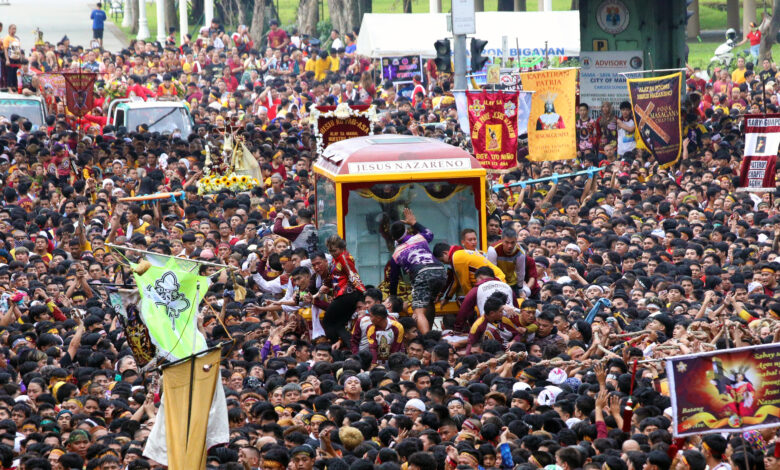
Millions of devotees are expected to fill the streets of Manila for Traslación 2026, the annual procession of the Black Nazarene. So if you plan to join, prepare yourself for a day of patience and perseverance. Here’s what you need to remember.
Cultural Significance
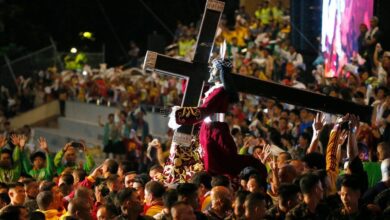
Traslación 2026, held every January 9, is one of the largest religious gatherings in the world. The Black Nazarene, depicted as a suffering Christ close to the poor, is believed to bring tangible hope and healing through touch or prayer. It’s no wonder devotees would walk barefoot for hours, reflecting a desire to share not only in His sufferings but also to receive strength in the face of life’s challenges. Similarly, many participate to fulfill a personal vow, or panata, offered in prayer or thanksgiving for blessings received.
The procession also fosters unity and resilience among Filipinos from all walks of life. It reflects both Catholic and indigenous beliefs, where faith is expressed through the body and experienced as a collective. That’s why it’s still relevant today: it strengthens community bonds and reminds devotees that faith is to be lived through sacrifice and compassion.
Procession Route
Traslación 2026 will use the same route from Quirino Grandstand to Quiapo Church. The church also shared the following road closures for motorists until the Black Nazarene passes through:
- Independence Road to Katigbak Drive
- Portions of Roxas Boulevard and Padre Burgos Street
- Ayala Bridge
- Carlos Palanca Street to Globo de Oro Street
- Solano Street and Padilla Street
Meanwhile, the following roads will be closed to give way to emergency vehicles and frontliners:
- P. Casal Street to Mendiola/Legarda
Those heading to Quirino Grandstand may pass through Taft Avenue, Kalaw Avenue, and Roxas Boulevard.
Safety Protocol
Manila Mayor Isko Moreno issued a series of Executive Orders (EO) to ensure safety and order during the procession. Work in city government offices and classes at all levels will be suspended, while work in essential services (police, traffic, health, and disaster response) will continue. A liquor ban will also be enforced within 500 meters of Quiapo Church and along the procession route. Lastly, the production, sale, and use of firecrackers will be prohibited from January 8 to 9.
READ: Traslacion 2024: Why Filipinos Join This Profound Procession
At its core, Traslación 2026 is a living expression of Filipino faith, resilience, and community. So by respecting the route and following protocol, every participant can fully devote themselves to its message.