
Exploring 2 Sinulog-Inspired Festivals in Visayas
While Sinulog is associated with Cebu, its influence extends far beyond the city. Across the Visayas, Sinulog-inspired festivals have taken place, each with its own history, culture, and devotion to the Santo Niño. Here are two of them!
Sakay-Sakay Festival (Southern Leyte)
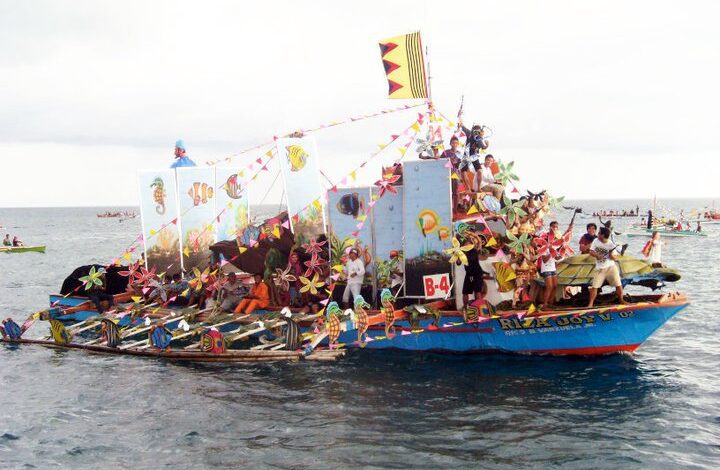
Celebrated every 3rd Sunday of January, the Sakay-Sakay Festival commemorates the arrival of Spanish missionaries and the spread of Christianity in Maasin, Southern Leyte. The name comes from the word “sakay,” referring to how said missionaries traveled by boat to reach inland communities.
Key activities include street dancing competitions that reenact these river journeys. Here, performers wear vibrant costumes inspired by water, boats, and early village life. There’s also the fluvial parade, where decorated boats carrying images of the Santo Niño sail through the town. Last comes the thanksgiving mass, followed by community feasts and traditional games, allowing locals and visitors to immerse themselves in the town’s culture and faith.
Sinulog de Kabankalan (Negros Occidental)
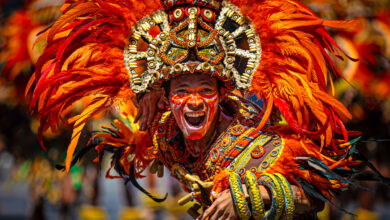
Another one of the many Sinulog-inspired festivals in January is the aptly named Sinulog de Kabankalan. It follows the iconic “two steps forward, one step backward” movement, symbolizing the flow of water and unwavering devotion to the Santo Niño.
The festival includes a grand float parade with themed contingents that highlight the town’s agricultural and rural identity. This is accompanied by drum-and-lyre parades and a fluvial procession along its waterways, where performers also wear costumes that reflect farming life and local folklore. It similarly ends with a thanksgiving mass and the awarding of the best dance troupe, reinforcing both community pride and devotion.
READ: Beyond Sinulog: Other Festivals Honoring the Santo Niño
These two events show how Sinulog-inspired festivals continue to evolve across the Visayas. Still rooted in devotion to the Santo Niño, these celebrations prove that while the rhythm may be familiar, each community adds their own history to an already shared faith.


One Comment