Overcrowded Classrooms Are Killing Learning—Here’s the Solution
Education reform often starts with curriculum debates and teacher training, but one of the biggest barriers to learning is far more basic—and far more visible. Across the Philippines, overcrowded classrooms continue to undermine student focus, teacher effectiveness, and overall learning outcomes, turning what should be safe spaces for growth into daily challenges. The PSIP initiative aims to address some of these critical issues in Philippine education.
A Growing Crisis Inside Philippine Classrooms
When it comes to classrooms, the numbers tell a stark story, and the story is alarming. Under the leadership of former President Rodrigo Duterte and then-DPWH Secretary Senator Mark Villar, the government delivered 150,000 classrooms through the Build, Build, Build program, an achievement that helped alleviate overcrowding nationwide.
According to DepEd’s budget reports, no new classrooms were recorded in 2022, only 192 out of 6,379 planned classrooms were completed in 2023, 605 classrooms were built in 2024, and as of October 2025, just 22 classrooms were finished out of a target of 1,700.
READ: Early Child Education: Why It’s Important For Us
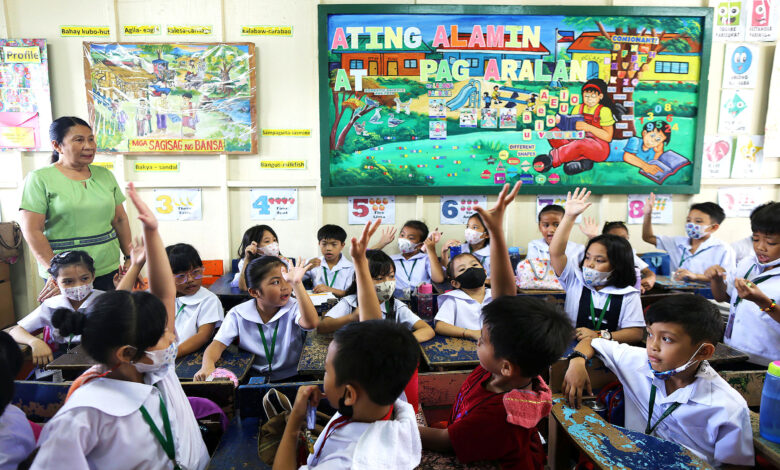
Filipino students continue to cram into overcrowded classrooms, often forced into multiple-shift schedules, while teachers struggle to provide quality education in spaces that are hot, noisy, and unsafe.
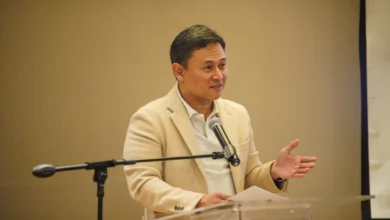
“Infrastructure plays a vital role in education. While curriculum is the heart of learning, the physical environment also has a role in student development. A student cannot focus in a sweltering, overcrowded room, nor can a teacher impart lessons without basic functional facilities. Classrooms, libraries, and toilets are more than structures, they are essential platforms that make learning possible, safe, and effective,” said Senator Mark Villar in his column in Business Mirror.
Addressing the Classroom Crunch
To close the gap, the government launched the P105.7-billion Public-Private Partnership for School Infrastructure Project Phase III (PSIP III). This initiative will deliver 16,459 new classrooms across 1,095 schools in Luzon, benefiting at least 800,000 learners annually. Using a Build-Lease-and-Transfer approach, PSIP III ensures faster, more efficient construction while complementing DepEd’s plan to build nearly 25,000 classrooms under the 2026 General Appropriations Act.
“Classrooms do not only provide protection from the elements but also encourage students to develop their cognitive abilities. Proper ventilation, lighting, and noise isolation are essential when building classrooms to facilitate group learning,” Villar added.
Beyond Walls: Creating a True Learning Environment
Classrooms are just the start. Schools need libraries, toilets, labs, sports facilities, and safe access roads. “Other facilities must provide comfort and encourage physical activity,” Villar notes. To sum up, PSIP has the potential to help transform not just classrooms, but entire schools across the nation.
By investing in both infrastructure and education, the government can finally tackle overcrowding, eliminate multiple-shift schedules, and give Filipino students the spaces they deserve, building not just classrooms, but a future-ready nation. PSIP stands as a key solution in the pursuit of quality education and improved infrastructure for Filipino learners.