Malaysia American Fast Food Boycott Challenges U.S. Brands
When Malaysians began boycotting American fast-food chains over the Gaza conflict and U.S. support for Israel, few expected a culinary revolution. Yet from the backlash emerged a new wave of homegrown brands, turning political conviction into booming businesses and reshaping the country’s food scene.
Boycott Sparks Change
The 2023 Gaza conflict ignited strong consumer backlash in Malaysia. McDonald’s, KFC, and Starbucks—symbols of American fast-food dominance—saw declining trust and foot traffic as Malaysians chose to vote with their wallets. Surveys conducted in early 2025 revealed a significant dip in consumer confidence toward U.S. chains, while local alternatives gained popularity.
Homegrown Alternatives Take the Lead
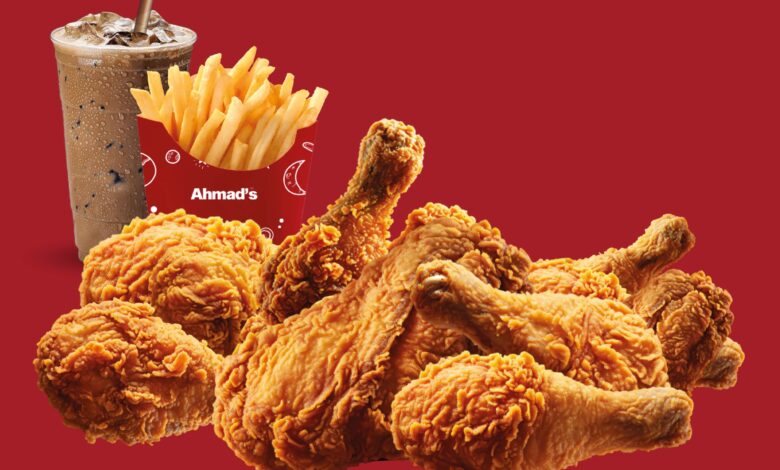
Leading the charge is Ahmad’s Fried Chicken, founded by entrepreneur Lailatul Sarahjana Mohd Ismail. What began as a small food stall offering fried chicken at home has expanded into over 35 outlets nationwide, with plans to reach more than 100 by the end of 2026. The brand combines familiar flavors with local sensibilities, appealing to customers who want the taste of fast food without the political baggage.
Zus Coffee is another standout. The homegrown chain has expanded rapidly across Malaysia and into neighboring countries, including Singapore, the Philippines, and Brunei. With a focus on halal-certified products and local preferences, Zus Coffee has managed to outpace some American rivals while aligning itself with the sentiments motivating the boycott.
Consumers Vote with Their Wallets
For many Malaysians, choosing local brands is more than a culinary decision—it’s an expression of identity, values, and solidarity with Palestine. These brands offer not only familiar comfort foods and coffee but also the satisfaction of supporting local entrepreneurship and taking a stand on global issues.
Impact on American Fast-Food Chains
The shift is having tangible effects on U.S. chains. Sales have slowed, and some brands are reassessing their strategies in politically sensitive markets. Legal disputes, such as McDonald’s Malaysia suing boycott groups for defamation, underscore the tension. Analysts suggest that without a change in approach, American chains could lose further ground to agile local competitors.
READ: 5 Must-Try Puto Bumbong Spots This Christmas in Metro Manila
A Permanent Shift?
Observers believe the trend is likely to endure. Homegrown chains have gained significant momentum, expanding rapidly while building loyal customer bases. Even after geopolitical tensions ease, the preference for brands that resonate culturally and politically may persist, signaling a permanent realignment in Malaysia’s fast-food landscape.
Malaysia’s boycott has become more than a political statement—it has sparked an entrepreneurial movement, proving that conviction and creativity can rewrite the rules of a global industry. As Ahmad’s Fried Chicken and Zus Coffee continue to expand, the era of American fast-food dominance in Malaysia faces its biggest challenge yet.