
Kantutan Plant is a real plant in the Philippines
The kantutan plant has recently gone viral online—not just because of its unusual name, but also because of its surprising features and uses. Scientifically known as Paederia foetida, this plant is a climbing vine commonly found in tropical regions, including the Philippines. Despite its humorous and controversial name, the plant has long been known in traditional medicine and even in some cuisines. What really makes it stand out, however, is its strong and unpleasant smell when crushed. Because of this, many are now curious about what this plant really is and why it exists in the country.
What Is the Kantutan Plant?
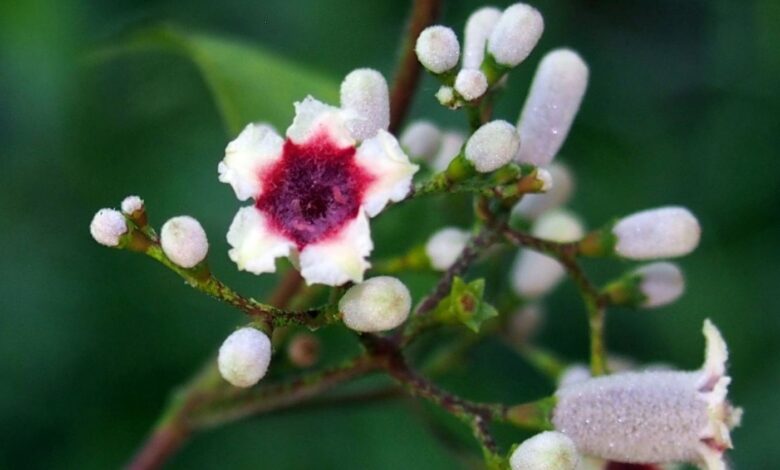
The kantutan plant refers to a vine species called Paederia foetida, which belongs to the same family as coffee plants. It is commonly found in thickets and forested areas at low to medium elevations. The plant has heart-shaped leaves and small flowers that are usually purple and white in color. One of its most distinct traits is its odor, which becomes noticeable when the leaves are crushed. This smell is often described as sulfur-like or foul, which explains part of its scientific name.
Why Is It Called “Kantutan”?
The name of the kantutan plant often surprises people due to its slang meaning in Filipino. However, experts explain that Filipinos often name plants based on their appearance, smell, or characteristics. In this case, the strong and unusual odor of the plant led to its humorous and somewhat provocative name. The smell has even been compared to a mix of sulfur and other unpleasant scents. Because of this, the plant is also known internationally as “skunkvine” or “stinkvine.”
Uses and Benefits of the Kantutan Plant
Despite its smell, this plant has been used for generations in traditional medicine across Asia. In some countries, the leaves are boiled or eaten as part of local dishes. It is also believed to help with digestive issues, urinary problems, and body pain, although many of these uses are not yet fully scientifically proven. Some cultures use it as a herbal remedy for diarrhea, inflammation, and even arthritis. The plant’s versatility shows that it is more than just a viral curiosity—it has real cultural and medicinal significance.
READ: Rinorea niccolifera: A Plant That Eats Metal and Soil Pollutants
Where You Can Find It in the Philippines
The kantutan plant can be found in various parts of the country, especially in forested and mountainous areas like Mount Makiling. It thrives in tropical climates and can grow in dense vegetation or along trails. Because it is a climbing vine, it often spreads across other plants or structures. It is also widely distributed across Asia, showing its adaptability to different environments. Its presence in local ecosystems highlights the Philippines’ rich biodiversity.
Why It’s Going Viral Online
This plant gained attention largely because of its name, which sparked curiosity and humor on social media. Many people were surprised to learn that such a plant actually exists. Online discussions often mix humor with genuine interest in its scientific and medicinal properties. Its combination of a funny name, strong smell, and real-world uses makes it highly shareable content. As a result, it continues to trend as one of the most talked-about plants in the country.
The kantutan plant proves that nature can be both surprising and fascinating at the same time. While its name may initially grab attention, its biological features and traditional uses make it worth learning about. From its strong odor to its medicinal potential, this plant reflects the unique diversity found in the Philippines. It also reminds us that even the most unusual things in nature can have value and purpose. In the end, the kantutan plant is more than just a viral topic—it’s a part of the country’s rich natural heritage.