Events That Made Ash Wednesday Historically Notable
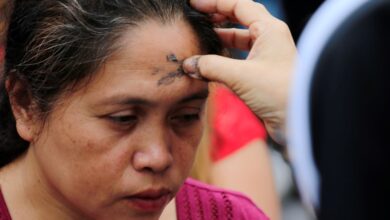
Ash Wednesday marks the start of Lent, a Christian period of fasting, prayer, and reflection before Easter. Worshippers receive ashes on their foreheads as a symbol of mortality and repentance. Beyond its religious significance, the day has also witnessed major historical events that left lasting marks on both the Philippines and the world.
Historical Events in the Philippines
Battle of Manila – February 21, 1945
During World War II, Ash Wednesday fell amid the Battle of Manila. American and Filipino forces fought to liberate the city from Japanese occupation, destroying much of the urban center and causing widespread civilian casualties. Church services remained subdued, but the day is remembered as an Ash Wednesday when the ashes of war literally filled the city’s air.
CBCP Letter – March 6, 1986
One day after Ash Wednesday 1986, the Catholic Bishops’ Conference of the Philippines (CBCP) issued a pastoral letter condemning the fraudulent snap elections under former President Ferdinand Marcos Sr. The bishops urged peaceful protest, mobilizing Filipinos for non‑violent demonstrations that contributed to the EDSA People Power Revolution, toppled the Marcos dictatorship, and restored democracy to the Philippines.
18th Anniversary of EDSA People Power – February 25, 2004
Ash Wednesday in 2004 coincided with the 18th anniversary of the EDSA People Power Revolution. Religious observances combined with civic activities that promoted democracy. Activists and churchgoers alike used the day to call for renewed commitment to democratic values and social justice.
Filipino Farmers’ Poverty Protest – February 5, 2014
On Ash Wednesday 2014, Filipino farmers staged a “poverty protest,” wearing ashes and praying for land reform and equitable treatment. The symbolic use of ashes amplified their advocacy, demonstrating how the day could serve as a platform for social justice.
Father Robert “Running Priest” Reyes Ash Marking Protest – March 2, 2022
On March 2, 2022, Father Robert “Running Priest” Reyes marked passersby with ashes outside the Commission on Elections in Manila to demand honest and transparent elections. His action combined religious symbolism with civic activism, reinforcing Ash Wednesday as a moment for moral reflection in public life.
Bulacan Church Collapse – February 14, 2024
On Ash Wednesday 2024, a termite‑weakened church floor in Bulacan collapsed during Mass. The accident killed an 82‑year‑old choir member and injured at least 50 others. A day meant for reflection became one of mourning, showing that Ash Wednesday can coincide with unexpected tragedy.
Beyond the Islands
Ash Wednesday Storm, United States – March 5 to 9, 1962
Between March 5 and March 9, 1962, a massive nor’easter struck the U.S. mid‑Atlantic coast. The storm produced hurricane‑force winds, heavy rain, and prolonged coastal flooding. It killed 40 people, injured over a thousand, and caused hundreds of millions of dollars in property damage. The storm’s peak occurred around Ash Wednesday, and meteorologists and historians still refer to it as the Ash Wednesday Storm of 1962, making the date memorable in U.S. weather history.
Adelaide Hills Bushfires, Australia – February 20, 1980
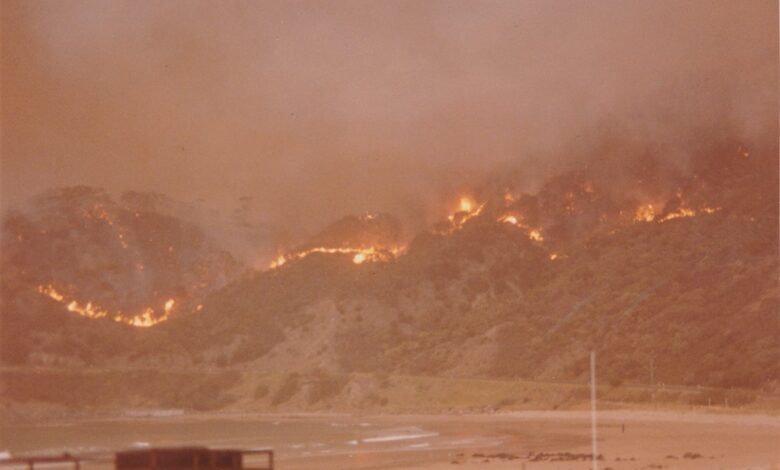
On February 20, 1980, a series of bushfires ignited in the Adelaide Hills of South Australia on Ash Wednesday. The fires destroyed 51 homes, 25 outbuildings, and 75 farms, burning thousands of hectares of land. Around 40 people suffered injuries, and about 150 people were left homeless. These early bushfires became known locally as the first Ash Wednesday bushfires, and they established the day’s association with wildfire disaster in the region.
Victoria, Australia – February 16, 1983
On February 16, 1983, more than 180 bushfires spread across Victoria and South Australia under extreme heat and dry conditions. Winds fanned the blazes into massive fire fronts that killed 75 people, including volunteer firefighters, and destroyed thousands of homes and structures. Firefighters, army personnel, and volunteers battled the fires for days. The event remains one of Australia’s deadliest fire disasters and is another example of the Ash Wednesday bushfires.
READ: Ash Wednesday: A Symbol of Mortality and Hope
Lasting Impact of Ash Wednesday
Ash Wednesday continues to play a vital role for Filipino Catholics. It offers a time to reflect on faith, community, and country, and Filipinos have observed it despite colonial rule, wars, dictatorships, pandemics, and political crises. In times of peace, the day remains devotional; in times of crisis, it becomes a source of strength and resilience.
While Filipinos wear a small mark of ashes on their foreheads, they also carry an enduring spirit that seeks both spiritual renewal and social transformation. The day demonstrates how a sacred ritual can resonate with history, national memory, and collective identity.