Does Faith Have a Limit? The Deadly Cost of Traslacion 2026
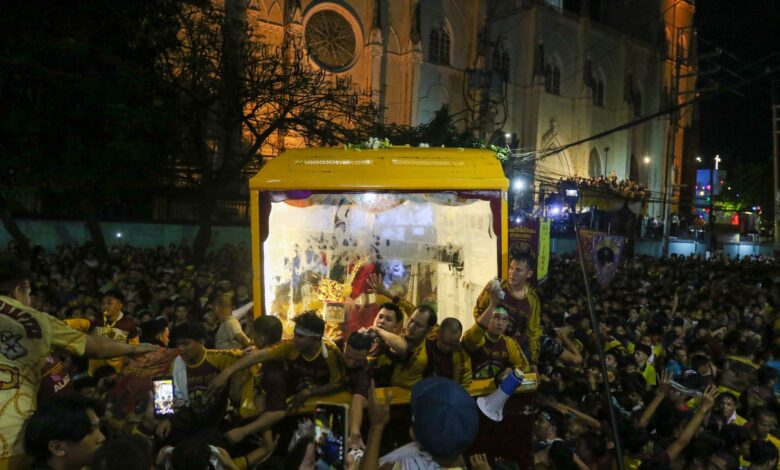
Every January, millions of Filipinos flock to Manila for the Traslacion, the annual procession of the Black Nazarene. In 2026, this centuries-old tradition reached a new extreme, lasting nearly 31 hours — beginning at 4:00 a.m. on January 9 and ending at 10:50 a.m. on January 10. Devotees braved heat, exhaustion, and crushing crowds to touch or even glimpse the revered image.
The spectacle was awe-inspiring, the devotion undeniable, but amid the chants and maroon shirts, there was a darker reality: four deaths and thousands of medical emergencies
Blind Devotion, Real Consequences
Walking barefoot, pushing through massive crowds, and chanting nonstop. This is devotion at its most extreme. But the numbers tell a sobering story. The DOH and the Philippine Red Cross reported approximately 1,700 medical cases, ranging from dizziness and minor wounds to fractures, respiratory problems, and chest pains. At least 19 devotees were transported to hospitals, and tragically, 4 lives were lost: three devotees during the procession and one photojournalist covering the event.
These aren’t abstract risks—they are real, documented human costs. Admirable as faith may be, risking life in the name of tradition crosses a line.
Safety vs. Tradition
Authorities deployed over 15,000 police officers, banned drones, and implemented crowd control measures, yet the procession still stretched far beyond a full day. At one point, devotees ignored an earlier announcement that the andas would make a temporary stop at San Sebastian Church, continuing straight toward Quiapo Church instead, showing just how unstoppable their devotion can be.
Tradition is sacred, but when millions are packed into narrow streets, one has to ask: Should devotion trump safety?
READ: Why Is Filipino Devotion to Saints and Statues So Strong?
Traslacion 2026: Time to Reflect
The Traslacion is centuries-old, a cornerstone of Filipino spirituality. But Manila today is not the Manila of the 18th century. Streets are crowded, the weather is harsh, and millions of people move through narrow passages at once. Extreme devotion should be celebrated, but not when it endangers lives. Church officials have already hinted at possible changes in the andas and crowd management, but clearly, more structural solutions are needed.
Faith should uplift, not jeopardize. Tradition should honor the past, but it should also protect the present. Traslacion 2026 was awe-inspiring, but it also served as a warning. Are we worshipping God, or the thrill of extreme devotion?
This year’s Traslacion reminds us of the power of faith, but also its limits. Reverence and tradition are sacred, but human life is non-negotiable. Devotion should inspire courage and reflection, not tragedy.