
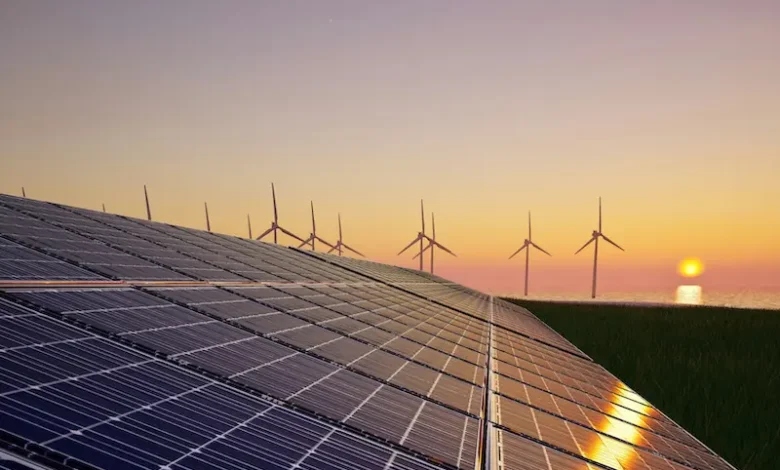
Business Leaders Push for Renewable Energy Amid Oil Crisis
Rising geopolitical tensions in the Middle East are once again tightening global oil supply and pushing prices higher. Disruptions along key trade routes, particularly the Strait of Hormuz, have reduced tanker movement and heightened fears of prolonged shortages.
Global Shocks and Local Impact
For the Philippines, which relies heavily on imported fuel, these events underscore a persistent vulnerability to external shocks. As these global disruptions unfold, their economic impact becomes immediate and far-reaching.
Higher fuel costs increase transportation and logistics expenses, which in turn raise the price of goods and services. Electricity generation also becomes more expensive, placing additional strain on households and businesses. These pressures contribute to inflation and can weaken overall economic stability. Given these recurring shocks, the need for a more stable energy foundation becomes urgent.
Renewable Energy as Shield for Oil Volatility
This exposure highlights the importance of diversifying energy sources. Renewable energy offers a more stable alternative by reducing dependence on imported fossil fuels. Solar, wind, hydro, and geothermal power can provide a consistent supply without being tied to global oil price fluctuations. The Philippines, with its strong geothermal capacity and growing solar investments, is well-positioned to expand in this direction. To translate this potential into tangible gains, policy and investment must play a central role.
Policy support has begun to accelerate this shift. Programs such as the Renewable Portfolio Standards and the Green Energy Auction Program are driving new capacity, while improved permitting systems are helping projects move forward more efficiently. These efforts are gradually strengthening the country’s renewable energy base. Beyond power generation, however, energy resilience also depends on reducing oil demand in other sectors.
At the same time, reducing oil use in transportation is a necessary complement. Expanding electric vehicle adoption and improving mass transit systems can lower fuel demand and align transport with cleaner energy sources. This dual approach strengthens overall energy resilience. Taken together, these measures point to a broader strategic direction.
RELATED – Philippine Business Crisis: 2024–2025 Darkest Years for Entrepreneurs
Urgency of Action
The current volatility serves as a clear signal rather than a temporary disruption. Oil price shocks will continue to affect inflation, trade, and currency stability as long as dependence on imports remains high. Transitioning to renewable energy offers a way to reduce these risks while supporting long-term sustainability.
Business leaders, including Manny Villar, have emphasized the need to treat such crises as a catalyst for change. Moving decisively toward renewable energy and modern transport systems positions the Philippines to withstand future global disruptions better and maintain a more stable economic footing.