Bong Revilla Arrested, But What About the Others?
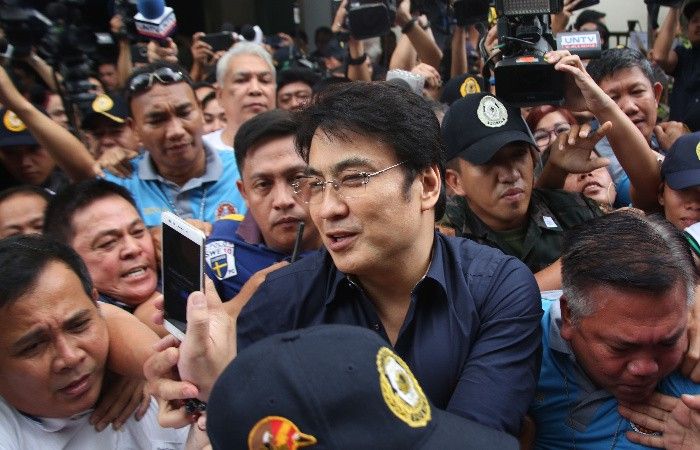
The Philippines woke this January 2026 to headlines no one could ignore. Former Senator Ramon “Bong” Revilla Jr. had surrendered to authorities following an arrest warrant issued by the Sandiganbayan Third Division. He faces charges of malversation in connection with a ₱92.8‑million flood control project in Pandi, Bulacan.
A critical question arises. Does this high-profile arrest signal that justice is finally reaching those at the top of the political ladder? If Revilla and a handful of others are being detained, why do so many congressmen and powerful political figures remain free, despite being repeatedly implicated in investigations and witness testimonies?
The Scandal That Shook The Nation
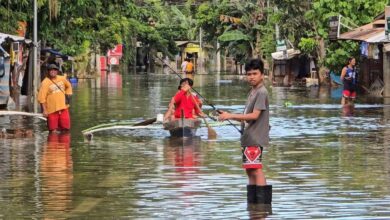
In August 2025, reports and whistleblower accounts revealed that billions in flood control funds were misused or allocated to projects that were never built. By September, protests erupted nationwide, with citizens demanding accountability for missing billions and failed flood control measures.
President Bongbong Marcos vowed that those responsible would be arrested and jailed, promising action before Christmas of 2025. Investigations were launched by the Independent Commission for Infrastructure (ICI) and the Office of the Ombudsman, which began referring cases to the Sandiganbayan.
In November 2025, the Ombudsman filed graft and malversation charges against former congressman Zaldy Co and 17 other officials tied to flood control projects in Oriental Mindoro. Freeze orders were issued as authorities acted to pursue corruption cases.
Around the same time, high-ranking figures such as Martin Romualdez appeared repeatedly in testimonies and official referrals, allegedly involved in kickbacks. Prosecutors said stronger evidence was still being compiled.
In January 2026, Revilla was arrested along with three co-accused former DPWH officials — Brice Hernandez, Jaypee Mendoza, and Arjay Domasig — in connection with the P92.8‑million flood control project in Pandi.
RELATED — Flood Control Projects: Timeline of Anomalies
Big Fish Remain at Large
Zaldy Co, previously a congressman, remains at large despite arrest warrants issued against him. Martin Romualdez, former House Speaker and the president’s cousin, has been implicated in multiple projects as receiving kickbacks or being part of the broader scheme. Reports allege that significant sums from flood control projects may have been routed through networks associated with him. Whistleblowers have claimed that suitcases of cash reached addresses tied to Romualdez.
Yet no arrest warrants have been issued against him. His political influence, combined with the need to build airtight evidence, seems to have delayed any immediate legal action. Romualdez, if arrested, might lead to someone bigger. It seems.
Blood runs thicker than the law. Power protects its own — especially when family, influence, and proximity to the presidency are involved.
Is This Selective Enforcement?
The government may be prioritizing cases where evidence is most straightforward, but the optics are impossible to ignore. Recent events leave many asking whether justice is being applied evenly.
Timing and political strategy seem to be intertwined. Some arrests appear symbolic, aimed at demonstrating that the administration is serious about rooting out corruption, while powerful allies remain insulated for the moment. This pattern risks reinforcing a narrative that influence and proximity to power can shield one from accountability. Quite a familiar tale.
Political Theater
The arrests, statements, and court filings form a new season of a long-running political drama, where the stakes involve both money and influence. One side of the government is effectively “winning” in the optics of anti-corruption enforcement, taking visible action against certain figures while powerful political families continue to operate freely.
On the bright side, at long last, Revilla may finally rot in jail. A place he is no stranger to. But what some see as justice, others see as a distraction — a carefully staged performance designed to obscure systemic malfeasance from real scrutiny.