300,000 Pinay Domestic Workers, One Sunday Ritual in HK
For Filipina workers in Hong Kong, Sundays mean food, friendship, and a taste of home. On their day off, they gather in public spaces to share meals, catch up with friends, and speak their languages.
A 2016 BBC Travel feature documented this weekly tradition among the city’s more than 300,000 domestic workers at the time, most of whom were Filipina and Indonesian women.
Sundays Bring a Taste of Home for Filipina Workers
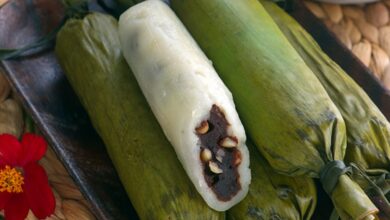
In Central, groups of Filipina workers gather after church to share Filipino dishes. Some bring food from home, while others prepare meals together. Chicken-feet adobo, laing, and other familiar dishes turn an ordinary public space into a place that feels closer to home.
For Rachel, Ida, and Grace, three women from Mindoro featured in the BBC story, sharing food was part of how they spent their limited time together. Their conversations also touched on family, work, and the lives they had left behind in the Philippines.
Finding Community Thousands of Miles From Home
These Sunday gatherings go beyond sharing meals. They give Filipina workers in HK a chance to reconnect with people who understand the challenges of working overseas.
Some meet relatives or friends from the same province. Others join prayer groups or spend the day singing, dancing, getting their hair or nails done, and calling family back home.
In Hong Kong, Filipina workers often gather in Central, while Indonesian domestic workers meet around Victoria Park in Causeway Bay. These familiar meeting places help make the city feel a little less distant from home.
A Sunday City Within a City
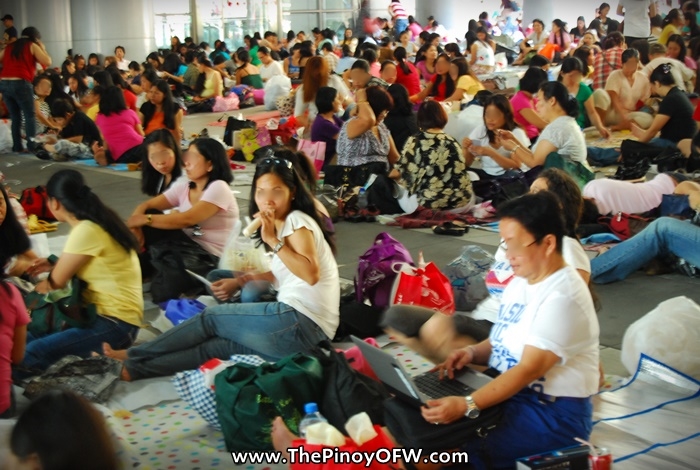
Every Sunday, parts of Hong Kong’s busy financial district take on a different character. Shopfronts, walkways, covered spaces, and public squares become temporary gathering places for domestic workers.
Groups use cardboard boxes and makeshift setups as places to sit, eat, rest, and spend time together. Some exchange services such as haircuts and manicures, while others organize religious activities, celebrations, and community events.
Research published in 2025 by Hong Kong Polytechnic University researchers found that these public spaces serve important social and personal functions for migrant domestic workers. They provide room to relax, maintain relationships across borders, and build a sense of community outside their employers’ homes.
For a few hours each week, familiar faces and shared routines turn these public spaces into something that feels like home.
The Sacrifices Behind Their Day Off
For domestic workers, Sunday is often the one day each week reserved for rest and personal time. The BBC feature also documented the demanding work schedules and limited time off some women experienced in 2016.
Research by geographer Lisa Law found that some Filipino domestic workers in Hong Kong were not permitted to prepare Filipino food in their employers’ homes, while others felt uncomfortable doing so. Some workers also reported that their employers considered Filipino food to have an unpleasant smell, making shared meals outside the workplace an important way to reconnect with familiar tastes and traditions.
READ: Why Japan Was a Good Friend to the Philippines in 2018
A Little Piece of Home in Hong Kong
For Filipina workers in HK, Sunday gatherings offer something familiar in a city far from home. A shared meal, a conversation in their own language, or an afternoon with friends can make the distance feel a little smaller.
These weekly rituals are a reminder that even thousands of kilometers away, home can still be found in the people, food, and traditions they carry with them.