Looking for an Alternative Income? Beekeeping as a Livelihood May Be Worth Exploring
Looking for an additional source of income does not always mean starting a traditional business or expanding an existing farm. For some Filipinos, raising bees could offer another way to earn while supporting local agriculture. In Tuburan, Cebu, former overseas Filipino worker Maria Teresa Al-Motawa found a new direction through beekeeping, turning an unexpected interest into a honey and bee products enterprise.
After nearly a decade working in the Middle East, Al-Motawa returned to the Philippines and established her business in 2024. Her experience highlights how beekeeping can go beyond honey production, with potential opportunities in other bee products and pollination services that benefit farms.
A New Business Opportunity
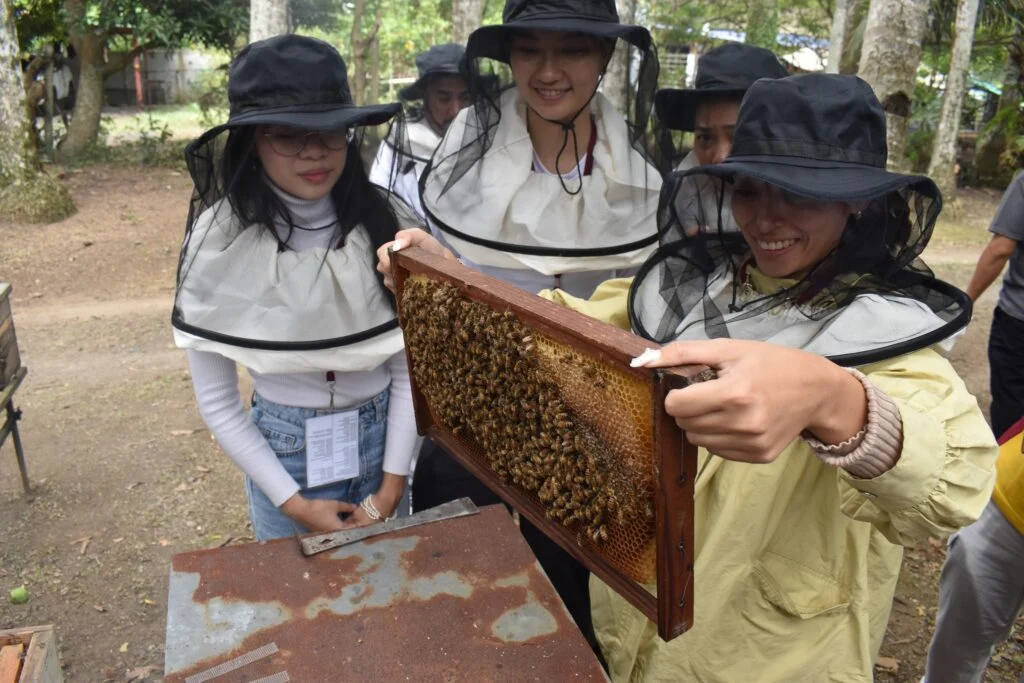
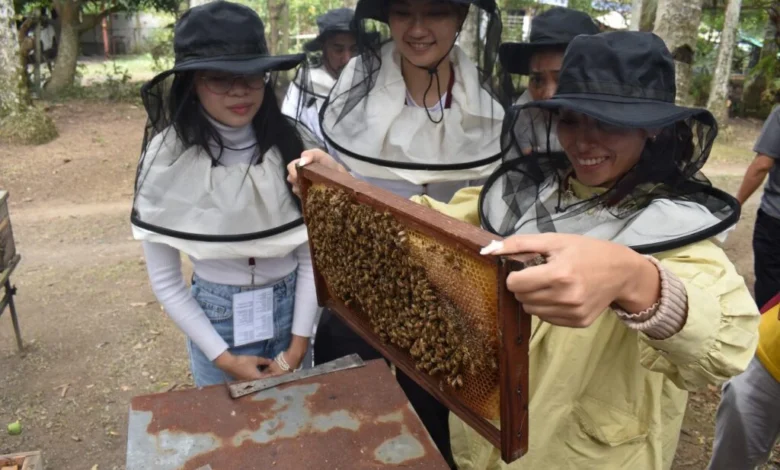
Al-Motawa spent nearly 10 years working overseas and initially planned to retire abroad. Her plans changed after she discovered beekeeping, with guidance from her husband, a retired naval officer and experienced apiarist. The experience introduced her to a field she eventually wanted to pursue herself. In 2024, she established her honey and bee products enterprise in Tuburan, Cebu, turning that interest into a business.
Beekeeping Can Offer Different Ways to Earn
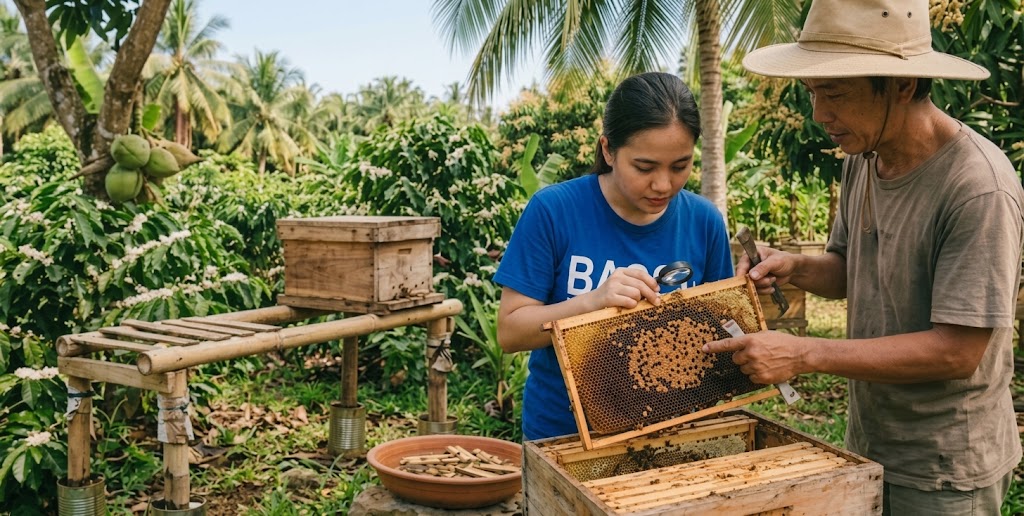
Honey is one of the most familiar products of beekeeping, but it is not the only potential source of income. Bee pollen and other bee-derived products can provide additional business opportunities, depending on production capacity, product quality, and market demand. For aspiring entrepreneurs, beekeeping may offer a way to diversify income instead of depending on just one product or activity. However, success still requires proper training, suitable equipment, responsible hive management, and access to buyers.
Farmers May Benefit From Keeping Bees on Their Farms
Bees do more than produce honey. They also help pollinate many crops, supporting plant reproduction and agricultural production. Al-Motawa’s bees forage across farms growing coffee, coconut, mango, and corn in the Cebu area. For farmers, integrating beekeeping into an existing agricultural operation could create an additional income stream while helping them recognize the role of pollinators in their fields.
ALSO READ: Carabao Milk: PH “White Gold” Deserves More Attention
Training and Community Support Can Help Beginners Get Started
Starting a beekeeping business requires knowledge of bee behavior, hive maintenance, harvesting, and product handling. Al-Motawa opens her farm for learning sessions in coordination with local government units and agricultural offices. She also connects with other beekeepers, including those in nearby Balamban, to share experience and work together on collecting and processing honey and pollen. These kinds of networks can help aspiring beekeepers learn practical skills before investing heavily in their own operations.
Is Beekeeping a Practical Livelihood Option for Filipinos
Beekeeping may appeal to farmers seeking to diversify their income, returning OFWs exploring businesses at home, or rural entrepreneurs interested in agricultural products. Still, it is not guaranteed income. Anyone considering beekeeping should first assess local conditions, startup costs, available training, bee species suited to the area, product safety requirements, and access to a reliable market.
Al-Motawa’s experience shows what is possible when interest is supported by learning, business development, and connections with agricultural institutions.
A Small Hive Could Open a New Opportunity
Al-Motawa’s story shows how an unexpected interest can develop into a business with links to both entrepreneurship and agriculture. Beekeeping as a livelihood could be worth exploring for Filipinos looking to diversify their income, particularly when it complements existing farming activities and meets local market demand.
With proper preparation and support, raising bees may offer more than honey—it may create another opportunity for rural communities to build sustainable sources of income.