Seaweed Farming in the Philippines Gets ₱34.66 Million Boost From DA-BFAR
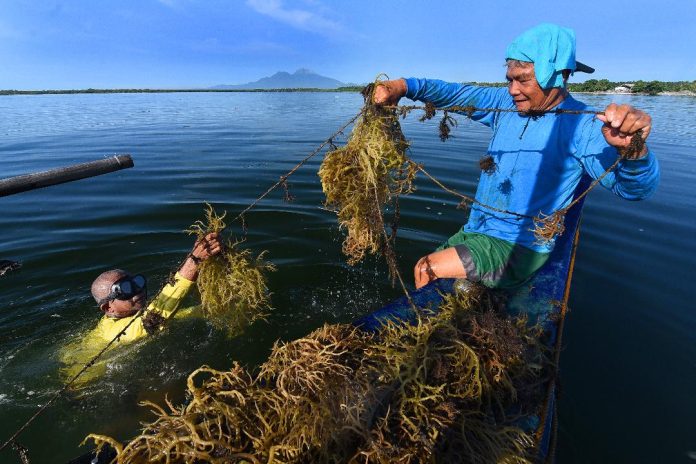
The Department of Agriculture (DA), through the Bureau of Fisheries and Aquatic Resources (BFAR), has distributed ₱34.66 million worth of seaweed farming equipment to beneficiaries across the Zamboanga Peninsula. The initiative aims to improve production, increase coastal community incomes, and strengthen the country’s position in the global seaweed trade.
The investment comes as seaweed farming in the Philippines faces growing competition from other major producers, including Indonesia and China. Through new deep-sea nursery systems and improved farming support, the government hopes to help local seaweed growers increase harvests and access more opportunities in the industry.
DA-BFAR Distributes 29 Deep-Sea Seaweed Nursery Systems
The DA-BFAR distributed 29 deep-sea seaweed nursery systems to beneficiaries in four areas of the Zamboanga Peninsula. The equipment was turned over in Zamboanga del Sur on October 13, Zamboanga Sibugay on October 15, Zamboanga City on October 20, and Zamboanga del Norte on October 22.
The systems use the raft method, with each set valued at approximately ₱1.2 million. The distribution is part of efforts to improve local farming capacity and provide coastal communities with better tools for seaweed cultivation.
New Equipment Aims to Improve Seaweed Production
Each nursery package includes high-density polyethylene (HDPE) structures designed for deep-sea cultivation, along with anchor supports, floating systems, and holding nets. Seaweed propagules or seedlings are also included to help farmers establish their crops.
Drying and packing materials form part of the specified equipment allocations. These resources are intended to support more efficient cultivation and handling, helping seaweed farming in the Philippines improve productivity from growing through post-harvest preparation.
The Philippines Faces Strong Competition in the Global Seaweed Trade
The Philippines helped pioneer the commercial cultivation of carrageenan-producing red seaweeds, including Kappaphycus, which is used to produce a thickening and stabilizing ingredient for food and other products. However, the country now ranks fourth globally in seaweed production, while Indonesia has surpassed it in raw output and China remains a major competitor.
Despite this shift, the Philippines maintains an established carrageenan-processing industry and continues to supply international markets. Expanding production while improving processing and market access could help the country strengthen its position in the global seaweed trade.
ALSO READ: Carabao Milk: PH “White Gold” Deserves More Attention
DA Wants Higher Productivity and Better Farmer Incomes
Agriculture Secretary Francisco P. Tiu Laurel Jr. said increasing production is important for expanding income opportunities in coastal communities and strengthening the country’s share of the global carrageenan market. The DA-BFAR’s efforts also include improving marketing connections, developing value-added products, and helping farmers earn more from their harvests.
Its stated target was to achieve annual production growth of 2% for five consecutive years, from 2022 through 2026. For seaweed farming in the Philippines to deliver lasting benefits, higher output must be supported by reliable buyers, quality processing, and stronger links to markets.
Better Farming Support Could Help Coastal Communities Grow
The ₱34.66-million investment is intended to do more than increase the volume of seaweed harvested. More productive farms, improved post-harvest handling, and better access to buyers can help coastal households strengthen their livelihoods. Continued support will also matter as local growers compete with other producing countries and respond to changing market demands. If these interventions translate into sustained productivity and higher earnings, they could help seaweed farming in the Philippines contribute more to coastal development and the country’s role in the global seaweed industry.
Marking a new investment in seaweed growers
The DA-BFAR’s distribution of ₱34.66 million worth of equipment marks a new investment in seaweed growers across the Zamboanga Peninsula. The 29 deep-sea nursery systems are intended to improve production and create better income opportunities for coastal communities. However, rebuilding the country’s position in the global market will also depend on processing capacity, market access, and consistent support for farmers.
The future of seaweed farming in the Philippines will depend not only on how much the country can grow, but also on how effectively local producers can turn their harvests into sustainable livelihoods.