Sustainable Development in Baguio City: Can It Grow Without Losing Its Charm?
What comes to mind when you hear Baguio City? Maybe strawberries, cold weather, pine trees, vintage stores, or a warm cup of Cordillera coffee. These familiar attractions make the Summer Capital of the Philippines a favorite destination for tourists seeking a break from the heat. However, the conversation about sustainable development in Baguio City goes beyond tourism and scenery, raising an important question about how the mountain city can grow while protecting what makes it special.
Baguio Is More Than Its Famous Tourist Attractions
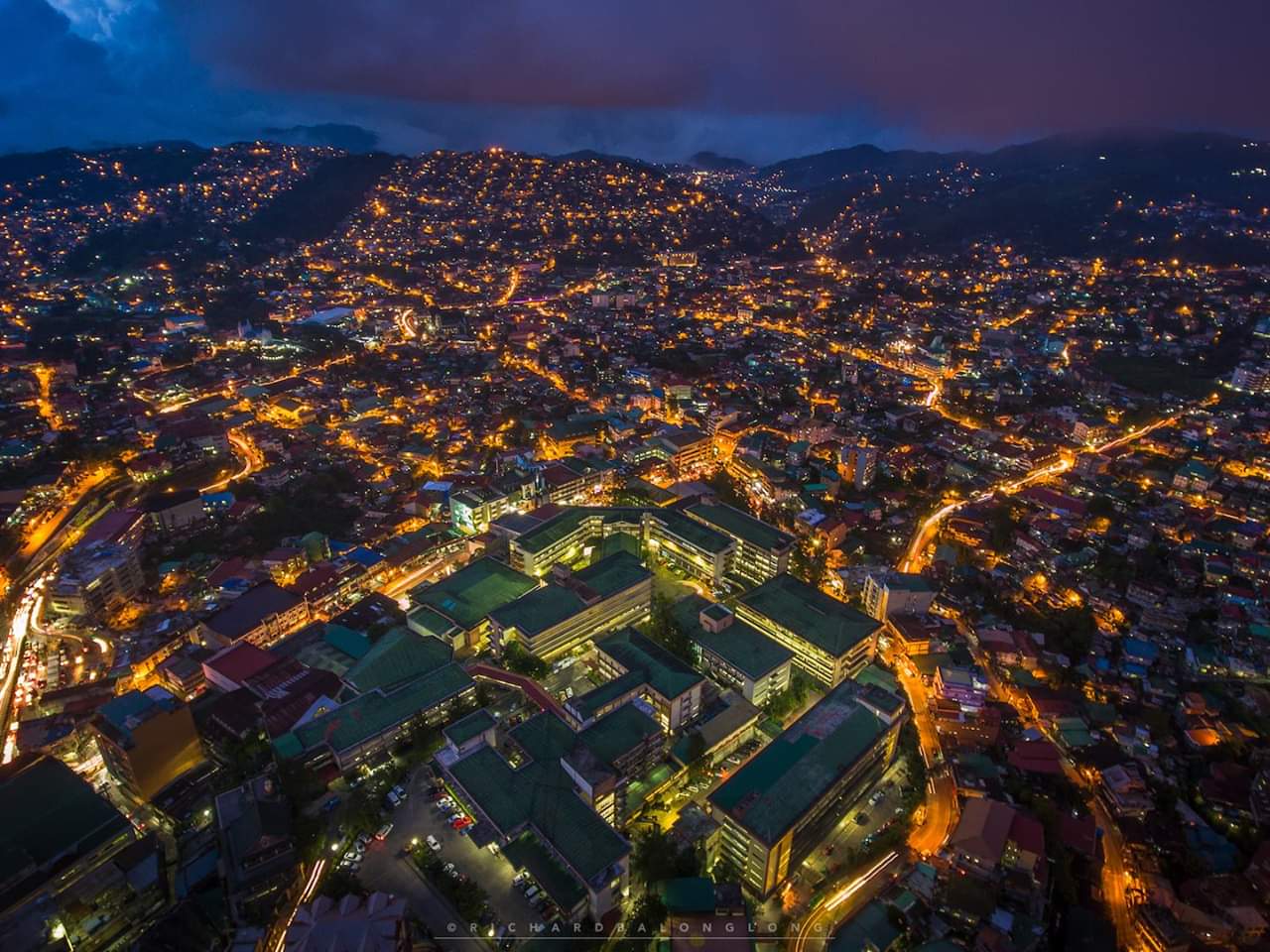
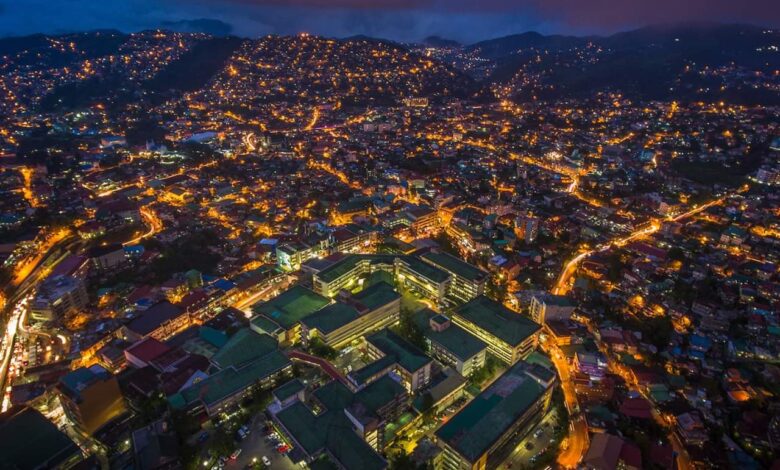
Baguio began as a planned mountain retreat and has since grown into a center for education, commerce, tourism, and urban living. Its cool climate, cultural heritage, and natural surroundings continue to attract visitors from across the country. However, a growing population and steady tourist arrivals place additional pressure on roads, public spaces, water resources, and other essential services. A
According to the United Nations Development Programme, the city faces challenges involving congestion, limited land, waste management, and environmental degradation.
More Development Means More Pressure on City Infrastructure
As Baguio grows, its infrastructure must serve both residents and visitors. Traffic congestion, limited parking, and crowded sidewalks can make everyday activities more difficult, especially during peak tourist seasons. In July 2026, the Philippine News Agency reported that the city was seeking an updated feasibility study for a proposed Smart Urban Mobility Project to address traffic problems.
These challenges show why sustainable development in Baguio City must include practical transportation solutions, better pedestrian access, and infrastructure planning based on reliable data.
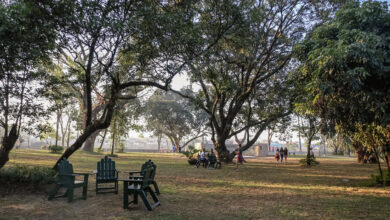
Protecting Pine Trees and Green Spaces Is Essential
Baguio’s trees, forests, parks, and watersheds are not merely part of its scenery. They are important natural resources that support biodiversity, help regulate the local environment, and contribute to the city’s identity. A 2025 policy brief from the University of the Philippines Center for Integrative and Development Studies warned about environmental pressures associated with urbanization, including diminishing green spaces, water shortages, and declining biodiversity.
Protecting these resources requires effective environmental policies, responsible construction, and consistent enforcement rather than relying on tree-planting activities alone.
ALSO READ: Baguio Infrastructure Projects 2026: 5 Moves That Might Actually Fix the City
Better Urban Planning Should Put People First
A growing city needs more than new buildings and wider roads. Residents also need safe sidewalks, accessible public spaces, dependable transportation, sufficient water, and neighborhoods where daily life remains comfortable. Baguio’s proposed redevelopment of Session Road, reported by GMA News in October 2026, includes plans for wider sidewalks, improved drainage, and additional greenery.
Projects like these show how sustainable development in Baguio City can combine infrastructure improvements with pedestrian needs and environmental considerations.
The Future of Baguio Depends on the Choices Made Today
Baguio does not have to choose between development and environmental protection. Instead, city planners, businesses, residents, and government agencies need to work toward growth that respects the city’s natural limits and cultural character. This means evaluating projects based on their effects on traffic, water supply, green spaces, housing, and the everyday lives of residents.
By making long-term planning and public well-being central to its decisions, Baguio can continue to welcome visitors without losing sight of the people who call it home.
Baguio should not be measured simply by how many buildings are constructed
The future of Baguio should not be measured simply by how many buildings are constructed or how many tourists arrive each year. Sustainable development in Baguio City means creating a place where improved infrastructure, accessible public spaces, environmental protection, and economic opportunities can exist together. Its pine trees, cultural identity, and cool mountain atmosphere are part of what makes the city special, but its residents’ quality of life matters just as much.
The goal is not to stop Baguio from growing, but to ensure that its growth benefits both present and future generations.