Filipinos make up nearly 30% of Guam’s population
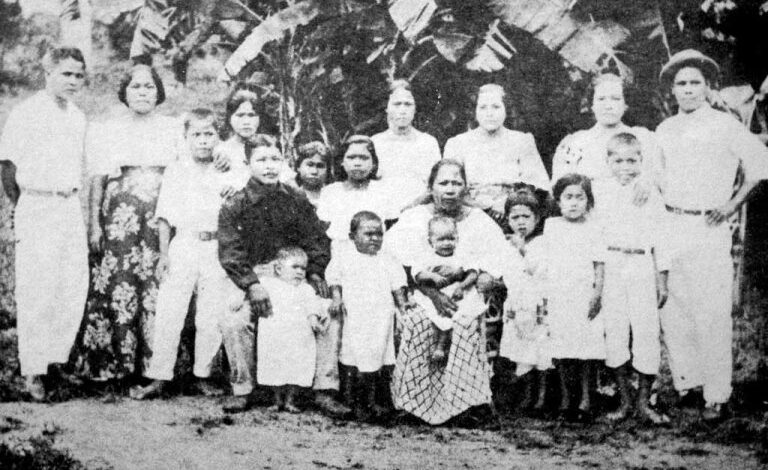
Filipinos are the second-largest group on Guam, behind only the island’s native Chamorros, according to the 2020 census. That is a long way from 1920, when Filipinos made up about 3 percent of residents.
A history that predates the census
Filipinos have lived on Guam since Spanish colonial times, when the island served as a stopover for ships sailing between Mexico and the Philippines.
Among the best-known arrivals was Apolinario Mabini, a leader of the Philippine Revolution whom American authorities exiled to Guam in 1901. After World War II, many more came to help rebuild the island, and the Filipino Community of Guam was organized in 1954.
Celebrations and traditions
Guam’s village fiestas, each tied to a patron saint, trace back to Spanish missionaries and are widely seen as a Chamorro tradition.
Meanwhile, Filipino groups keep their own calendar. They mark Philippine Independence Day on June 12, hold a Santacruzan procession each May, and have staged festivals such as Pista sa Nayon at Ypao Beach.
Food on the fiesta table
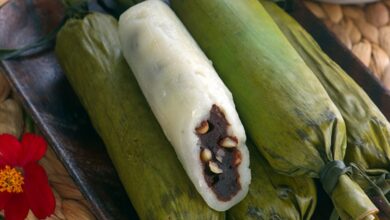
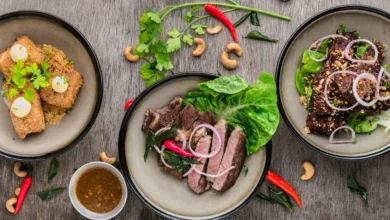
Some of Guam’s everyday favorites came from the Philippines, including pancit, lumpia, and lechon, according to Guampedia.
On fiesta tables, they now sit beside Chamorro staples such as red rice and kelaguen, a citrus-marinated meat dish. Pancit is a particular favorite at birthdays and New Year’s Eve.
Work and the economy
Filipino workers are also central to Guam’s economy, especially in construction, where the island relies on the Philippines for skilled labor on military and civilian projects.
The Guam Department of Labor said the number of foreign skilled workers on Guam reached a record 6,000 in March 2026, the highest in more than 30 years, as military projects outpaced the local workforce. Hospitals have also recruited nurses from the Philippines, and Guam leaders have warned that U.S. visa rules affect how many can come.
READ: Filipino Food: Why Is It So Unhealthy?
Filipinos have shaped Guam for more than a century, from the galleon stopovers of the Spanish era to the construction crews and hospital wards that rely on them today. They have added to the island’s food, its celebrations, and its workforce, and they now count among its largest communities.
With military projects still stretching the local labor supply, that contribution will likely keep growing. Whether in a fiesta kitchen or on a job site, Filipinos help carry Guam’s present and build its future.