Patani: The Rare Big Black Chicken of PH
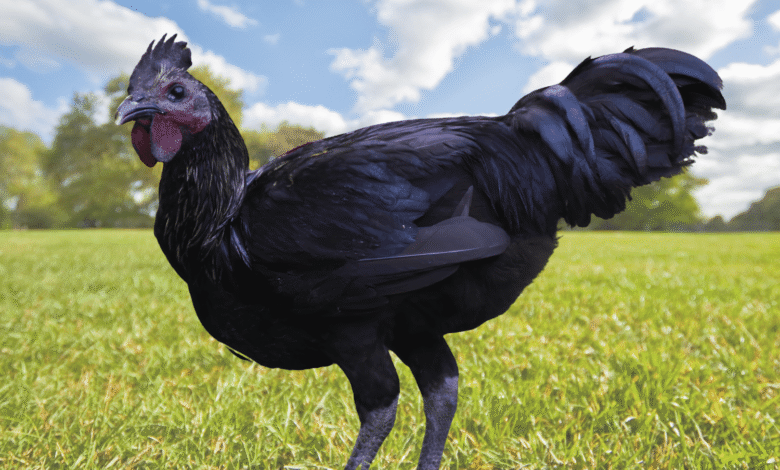
The Philippines has its own unusual all-black chicken, and it can be found in the Caraga Region of northeastern Mindanao. Called Patani, or the Caraga Black Native Chicken (CBNC), this native bird is known for its striking dark appearance and impressive size.
Unlike ordinary black-feathered chickens, Patani can have dark pigmentation extending from its feathers to its skin and even its flesh. Mature roosters can reportedly weigh as much as 2.2 kilograms. Beyond its appearance, Patani could also become an important native poultry resource and livelihood opportunity for Filipino farmers.
Patani Is Black Chicken From Feathers to Skin
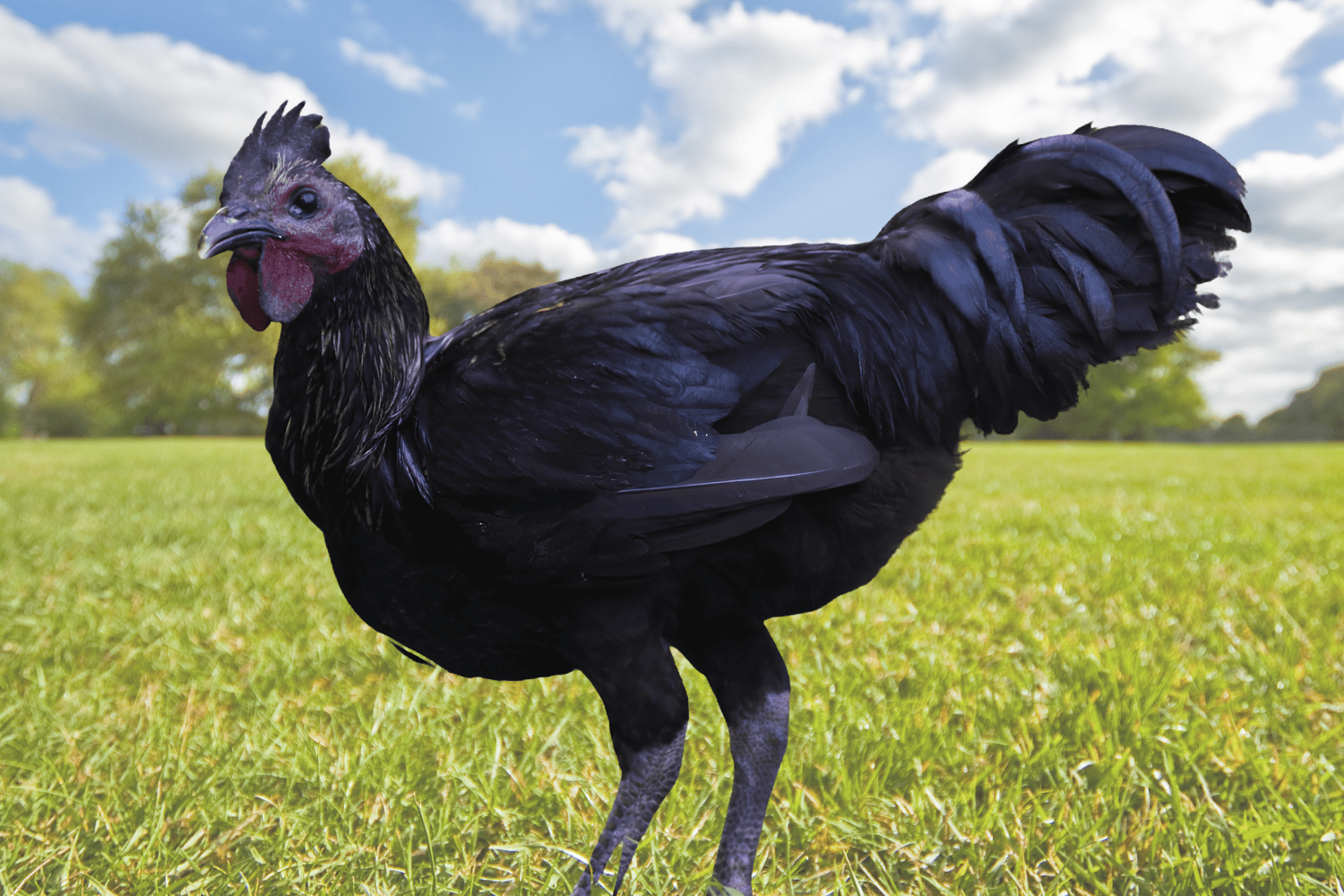
What makes Patani particularly fascinating is how extensive its dark pigmentation can be. Its feathers are black, while its combs, shanks, and skin can also have a dark coloration. Even the meat may appear grayish or significantly darker than that of ordinary commercial chickens. Mature roosters reportedly weigh between 1.6 and 2.2 kilograms. Hens generally reach around 1.25 to 1.45 kilograms. This combination of unusual coloring and size makes this chicken one of the more distinctive native chickens in the Philippines.
Where Can You Find Patani?
The population of Patani is associated with the Caraga Region in northeastern Mindanao. It is particularly linked to areas in Agusan and Surigao. Researchers from Caraga State University have been working with government agriculture and science agencies to study and develop the chicken.
Their work focuses on characterizing and conserving the bird as a distinct native genetic resource. The goal is also to explore its potential as a livelihood opportunity for farmers. This makes this chicken valuable not only because it looks different but also because it represents part of the country’s agricultural heritage.
Why Is Patani Worth Saving?
The importance of Patani goes beyond its unusual appearance. Native chicken populations can lose their distinctive traits when they are repeatedly crossed with other breeds. Conservation and selective breeding can help preserve characteristics that make a particular native chicken unique.
Researchers can also work toward developing birds that consistently pass these desirable traits to future generations. This chicken has another advantage because it is adapted to Philippine conditions. Its characteristics could make it useful for farmers interested in native and free-range poultry production.
Researchers See Promise in Its Reproduction
Research involving the native Caraga Black Chicken has also reported promising reproductive performance. Under the conditions studied, Patani showed relatively high fertility and hatchability. These traits could be important when developing a sustainable breeding population. Better reproductive performance can also help farmers maintain and expand their stocks. Continued research and selective breeding could therefore help establish the chicken as a more viable native poultry resource.
Yes, You Can Eat Black Chicken
Despite its unusual appearance, the black chicken is also considered suitable for consumption. Its meat is described as relatively lean and firm, with the stronger flavor commonly associated with native chicken. Its darker flesh could also give it appeal as a specialty ingredient. Restaurants and culinary businesses in Caraga could potentially use the chicken as part of local food experiences. This could create another avenue for farmers to earn from preserving and raising the breed.
Its Rarity Could Become an Opportunity
The limited availability of Patani breeding stocks can also give the chicken additional economic value. Reports have placed dressed Patani at around ₱500 per kilogram. Chicks and growers may also command premium prices because breeding stocks remain relatively limited. This creates an interesting connection between conservation and livelihood. If properly managed, the chicken’s rarity could help create economic opportunities for farmers while encouraging its preservation. The black chicken could therefore become both a cultural and agricultural asset for Caraga.
ALSO READ: Prehistoric Animals Still Alive in the Philippines
A Native Chicken Worth Knowing
Patani shows that the Philippines has its own fascinating native poultry varieties that many Filipinos may not know about. Its all-black appearance immediately sets it apart from ordinary chickens. But its potential goes further, with researchers studying its genetic characteristics, reproduction, conservation, and possible commercial uses. Its adaptation to Philippine conditions could also make it valuable for native and free-range poultry farming.
As research and conservation efforts continue, the black chicken could gain greater recognition beyond Caraga. This rare chicken proves that sometimes, an unusual-looking animal can also carry significant agricultural and economic potential.
This Chicken Has More to Offer Than Just Being Black
Patani is more than just an all-black chicken from Mindanao. Its distinctive pigmentation, native characteristics, reproductive potential, and possible commercial value make it a fascinating Philippine genetic resource. Researchers and government agencies are working to conserve and develop the breed while exploring its potential benefits for farmers. Its meat could also offer opportunities in restaurants and culinary tourism, particularly in Caraga.
With proper conservation and commercialization, its rarity could become an advantage rather than a threat to its survival.