Senate Eyes Abolishing Travel Tax This Year
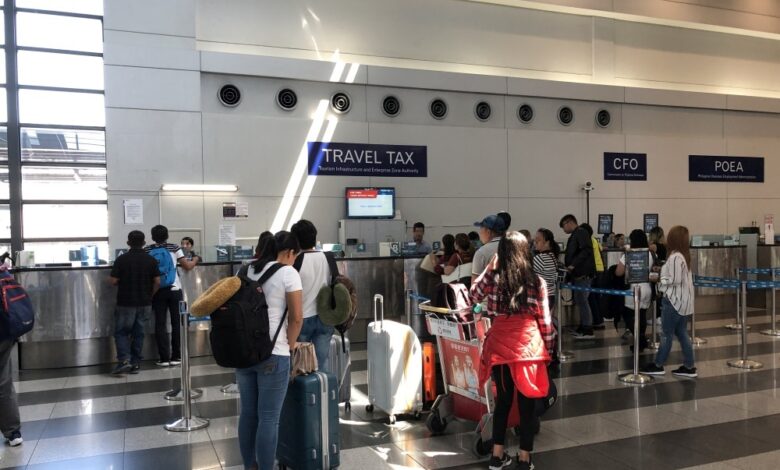
A family of four preparing to fly abroad faces an unexpected bill of ₱6,480 in mandatory exit charges before boarding. That’s not airfare, baggage fees, or airport parking. It’s a 1977 tax that treats international travel as a luxury requiring punishment rather than a normal part of modern life.
Senate Bill No. 1870 seeks to abolish this archaic levy. The debate cuts deeper than tax policy.
The Hidden Cost
For nurses seeking positions in Singapore. For students exploring universities in Bangkok. For young professionals interviewing across Southeast Asia. Each departure incurs ₱1,620 in pure friction costs, money that is diverted from accommodation, meals, or additional exploration days.
Middle-class families feel it acutely. The ₱6,480 represents real trade-offs when regional travel is increasingly central to career advancement and family connection.
A Regional Embarrassment
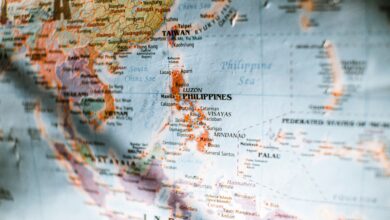
The Philippines remains one of the few ASEAN nations still imposing travel taxes. Malaysia, Thailand, Singapore, Indonesia, and Vietnam all abolished theirs. The Philippines signed the ASEAN Tourism Agreement in 2002, committing to remove such barriers, yet maintains them unilaterally.
This inconsistency has teeth. Travelers comparing Manila-Bangkok routes factor in the extra ₱2,700 charge. Philippine airports lose competitive positioning when neighbors offer seamless regional connectivity.
The Economics Flip
Budget officials initially feared losing 8 billion pesos annually. Deeper analysis tells a different story. When travel becomes affordable, behavior changes.
Modeling shows the government loses direct tax revenue but gains roughly 22 billion pesos from increased passenger volume. More frequent trips mean more airport dining, hotel bookings, and airline sales. These generate income taxes and corporate profits exceeding the lost travel tax.
Lawmakers have safeguarded tourism and cultural funding through the general budget, removing concerns about program cuts.
Why It Persists
The tax originated during the 1950s to conserve foreign exchange reserves when dollar scarcity was real. Capital controls, strategic imports, and genuine economic constraints made sense of the policy.
Those conditions evaporated decades ago. The Philippines now participates in regional free-trade frameworks and maintains substantial foreign reserves. The original rationale died, but the tax survived through institutional inertia.
READ: 5 Times Travel Insurance Can Save Your Holiday
What’s Next
The House approved the measure in March 2026. The Senate navigates toward floor action. Passage appears likely, not as radical reform but pragmatic alignment with regional reality. Refunds are guaranteed for already-purchased tickets.
For millions of Filipinos planning to depart in 2027, the message is simple. Mobility barriers are finally being questioned by lawmakers who recognize them as obstacles to opportunity rather than sources of legitimate revenue.