Villar Backs Enhanced Anti-Hospital Detention Bill: “Hospitals Must Heal, Not Hold Patients Hostage”
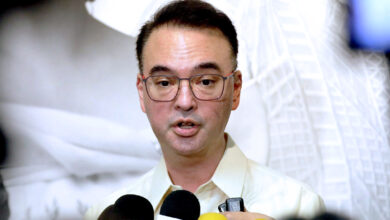
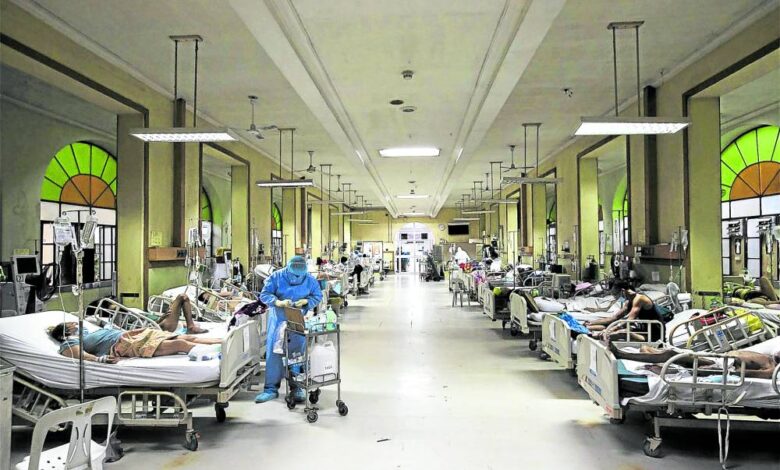
Senator Mark Villar has thrown his full support behind the Senate’s approval of a measure imposing tougher penalties on hospitals and clinics that illegally detain patients over unpaid medical bills, calling on healthcare facilities to remain places of healing rather than leverage points for debt collection.
Senate Approves Measure on Final Reading
The Senate has given final approval to a bill toughening penalties against hospitals that unlawfully keep patients confined over unpaid medical bills, with Senator Mark Villar among those voicing strong support during Monday’s session.
Senate Bill No. 1511, the Enhanced Anti-Hospital Detention Act, passed third and final reading with 18 votes in favor, none opposed, and a single abstention. The measure strengthens Republic Act No. 9439, which already bars hospitals and clinics from holding patients hostage over outstanding bills, by widening its coverage and sharpening its penalties.
Expanded Protections for Families, Newborns, and the Deceased
Principal author Senator Risa Hontiveros has said patients, their medical records, and even their remains should never be used as leverage for payment. The bill extends protection beyond patients themselves to cover relatives, representatives, and caregivers, while explicitly shielding newborns in maternity cases and the remains of deceased patients whose families have outstanding balances.
Villar Targets the “Palit-Ulo” Scheme
Villar zeroed in on the “palit-ulo” scheme, a practice in which a relative or caregiver is effectively forced to stay behind in the hospital as a stand-in so the actual patient can be discharged. He and fellow senators Win Gatchalian and Joel Villanueva flagged the practice as widespread enough to justify the bill’s passage.
“Hindi dapat maging kulungan ang mga ospital at clinic para sa ating mga kababayang hindi agad makabayad ng hospital bills,” Villar said, adding that facilities found illegally detaining patients, infants, or remains would now face stiffer sanctions.
Steeper Penalties for Hospital Staff and Executives
Under the new measure, rank-and-file hospital staff found responsible for illegal detention face fines up to ₱300,000 and imprisonment of up to two years and four months — up from the current ₱100,000 ceiling. Hospital directors or officers who institute or enforce a detention policy face steeper consequences: fines between ₱500,000 and ₱1 million, four to six years in prison, and potential revocation of the facility’s license to operate after three policy-driven violations.
Lacson’s Abstention Over Conflict of Interest
Senator Panfilo Lacson was the lone abstention, disclosing during the session that he is a founding member of a hospital in his home province of Cavite. Senate Majority Floor Leader Juan Miguel Zubiri noted the abstention was recorded specifically to avoid any conflict of interest.
Debts Still Owed, But Collection Must Be Humane
The bill does not erase what patients owe. Hontiveros clarified that hospitals retain the right to collect unpaid bills, just not by holding a person’s liberty or dignity hostage in the process. Patients unable to pay immediately may instead execute a promissory note backed by a mortgage or guarantee arrangement, or secure a guarantee letter from agencies such as the Department of Health or the Department of Social Welfare and Development before being discharged.
Senator Raffy Tulfo echoed the sentiment on the floor, saying hospitals have every right to collect payment, but that a patient’s freedom and livelihood should never be turned into a collection tool.
READ: Free Cosmetic Surgery at a Public Hospital: Good Idea or Wrong Priority?
What’s Next
Villar framed the bill as part of a broader push for humane treatment of Filipino families already burdened by illness and financial strain. “Patuloy tayong lalaban para sa makataong serbisyong para sa bawat Pilipino,” he said.
The bill now heads to the House of Representatives for further deliberation.