
Doctor challenges anti-rabies vaccine people to skip anti-rabies shots after animal bite
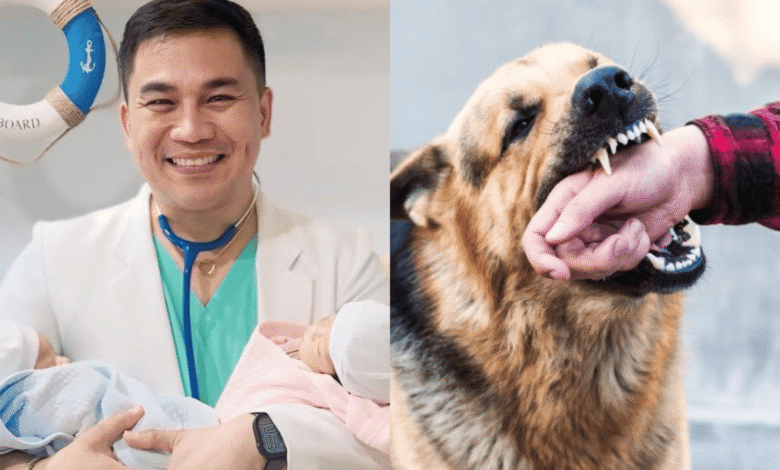
A Filipino pediatrician has sparked a conversation about vaccine misinformation after challenging anti-rabies vaccine advocates to put their beliefs to the test following a potentially dangerous animal bite. Dr. Nikki James Francisco, an Aklan-based pediatrician who runs the Facebook page Doc Hugot, made the sarcastic challenge while criticizing claims that vaccines are harmful.
The Doctor’s Challenge to Anti-Rabies Vaccine People
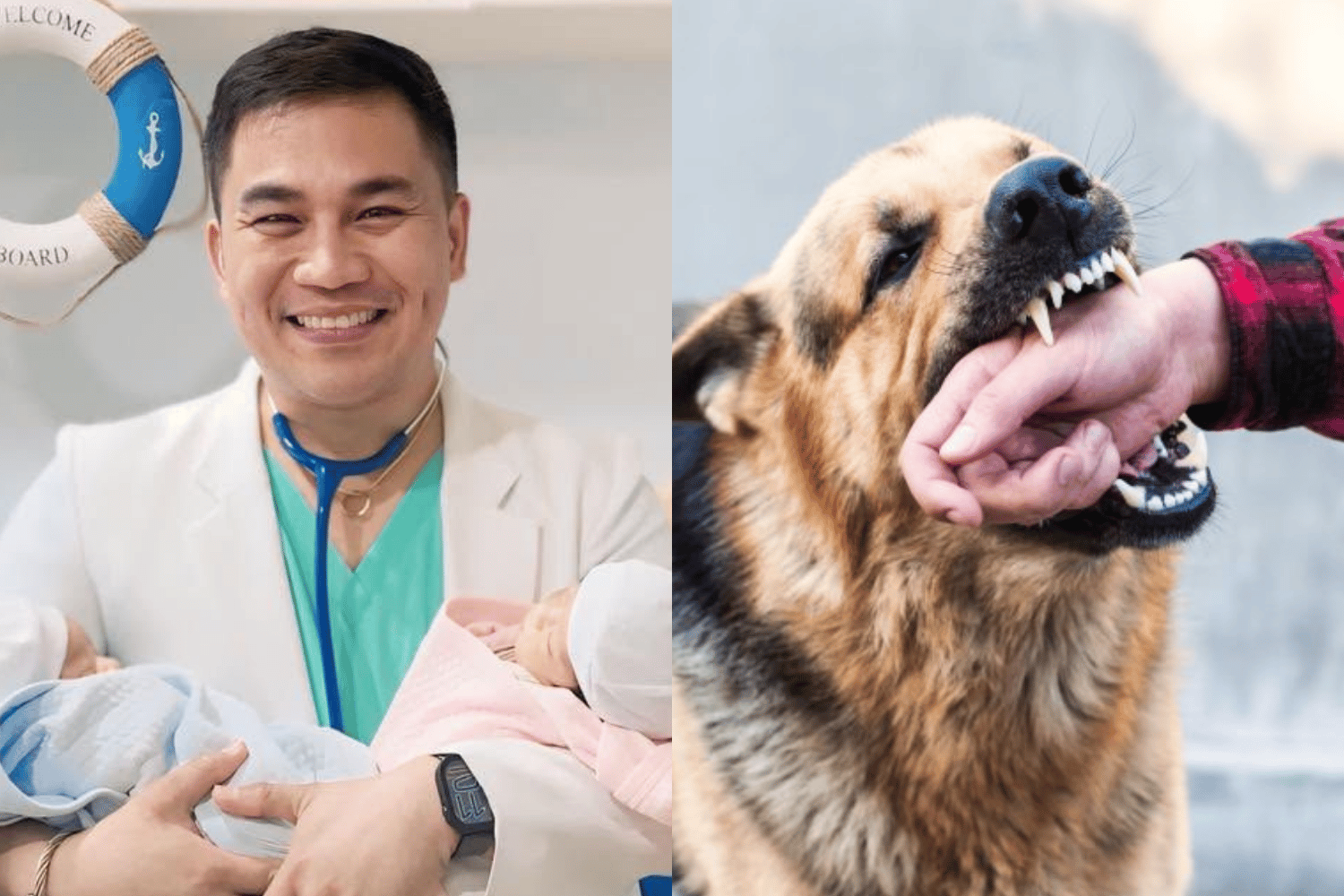
Francisco directed his sarcastic message at people who reject vaccines because they believe the shots contain harmful substances. He challenged them to refuse anti-rabies treatment after being bitten by a dog that appears to have rabies.
His point was to highlight what he saw as an inconsistency between rejecting vaccines in general and potentially depending on vaccination after a dangerous exposure. The post quickly drew attention because of its provocative wording. However, Francisco later clarified that the underlying issue was the danger of vaccine misinformation.
“Kapag kayo nakagat ng asong gala na mukhang may rabies, huwag na huwag kayong magpapaturok ng anti-rabies vaccine at immunoglobulin, ha?”
He Said the Message Was Meant to Be Humorous
Francisco later explained that his post was deliberately humorous because he was responding to claims that vaccines are supposedly dangerous. He said he had encountered claims describing vaccines as “harmful chemicals” that could damage the body.
He also referenced claims portraying vaccines as products designed to cause degeneration or even exterminate people. His response was intended to expose what he considered a contradiction in those arguments. Despite the sarcastic delivery, he emphasized that vaccine misinformation can have serious consequences.
“It was humorous in delivery, but the issue is serious.”
Why Rabies Makes the Issue Different
Rabies is not a disease where people should simply wait and see whether symptoms develop. According to the report, once rabies symptoms appear, the disease is virtually 100% fatal. The good news is that prompt post-exposure treatment can prevent the virus from reaching the nervous system. The World Health Organization recommends wound treatment, rabies vaccination, and rabies immunoglobulin when indicated after exposure. This makes seeking medical attention after a potentially risky animal bite especially important.
What Should You Do After an Animal Bite?
People who are bitten or scratched by an animal that could carry rabies should seek medical assessment rather than relying on online advice or assumptions about their risk. The appropriate treatment depends on the type of exposure and other factors assessed by health professionals. Rabies post-exposure care can include wound management, vaccination, and rabies immunoglobulin when indicated.
Waiting for symptoms is dangerous because treatment is intended to prevent the infection from reaching the nervous system. Anyone exposed to a potentially rabid animal should therefore consult a qualified healthcare professional as soon as possible.
The Bigger Problem: Vaccine Misinformation
Francisco’s post also points to a broader public health concern in the Philippines. The report noted that vaccine misinformation and declining confidence can affect routine immunization, particularly among children. As of early 2025, only 61% of eligible Filipino children had been recorded as fully immunized through the routine childhood vaccination schedule. More than 900,000 children had yet to complete their vaccines. Health authorities have warned that misinformation could threaten progress in improving immunization coverage.
Why This Matters to Filipinos
The debate goes beyond one doctor’s social media post. Vaccine misinformation can influence whether people seek preventive healthcare when they need it. This is particularly concerning for diseases where timely intervention can make the difference between prevention and a life-threatening outcome.
The Philippines has also dealt with challenges in maintaining routine childhood immunization coverage. Francisco’s warning therefore reflects a much larger conversation about trust, medical information, and public health.
ALSO READ: Free Cosmetic Surgery at a Public Hospital: Good Idea or Wrong Priority?
His Message Was Ultimately About Saving Lives
Despite the provocative wording of his post, Francisco said his main concern was the potential consequences of misinformation. He emphasized that people can make dangerous health decisions when false claims about vaccines influence their choices. His warning is particularly relevant when discussing rabies because there is a narrow window in which post-exposure measures can prevent the disease from progressing.
The doctor therefore used humor to make a serious point about vaccine confidence. His message was not that people should actually refuse rabies treatment, but rather that vaccine misinformation can have deadly consequences.
“Vaccine misinformation can influence health decisions and ultimately put lives at risk.”
This Issue Is Serious Despite the Sarcasm
Dr. Nikki James Francisco’s challenge to anti-vaccine advocates may have been delivered with sarcasm, but the issue behind it is serious. Rabies can become fatal once symptoms appear, while prompt post-exposure treatment can prevent the disease from progressing. His post also raises concerns about how misinformation can affect people’s decisions about vaccines and other forms of preventive healthcare.
For Filipinos, the takeaway is simple: a potentially dangerous animal bite should never be treated casually or based solely on social media claims. When rabies exposure is possible, seek professional medical advice immediately and follow the recommended anti-rabies vaccine and post-exposure treatment guidance.