
The Cariño Doctrine and What It Really Means to Own Land
Nowadays, land ownership is often associated with legal documents. But long before modern land registration systems existed, many Indigenous communities in the Philippines recognized land rights through continuous occupation, inheritance, and customary laws. Understanding that history is vital in understanding the Cariño Doctrine, a landmark principle that continues to shape Indigenous land rights today.
What Customary Ownership Looked Like
Prior to Spanish colonization, many Indigenous communities had their own systems of governing land.
Families and communities cultivated, occupied, and cared for territories passed down through generations, while disputes were settled according to customary laws rather than written deeds. Back then, land was more than just property; it was a source of livelihood, culture, identity, and spiritual connection.
When the Spanish colonial government introduced land registration and, later, the American colonial government expanded formal property systems, ownership increasingly depended on documentation. Because of this, communities that had occupied land for centuries often lacked the official papers colonial authorities required, leaving many ancestral lands vulnerable to being classified as public land.
1909 and the Case That Changed Everything
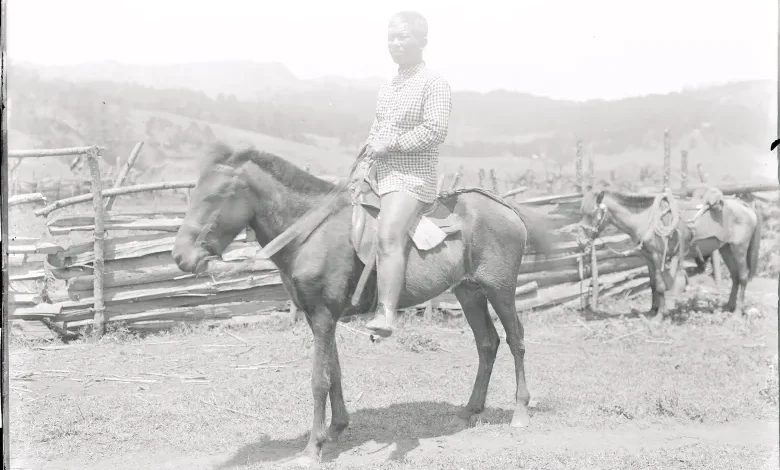
One of those affected was Mateo Cariño, an Ibaloi Igarot chieftain from Benguet. After the American colonial government claimed his family’s ancestral grazing land in what is now Baguio City, Cariño challenged that decision all the way to the U.S. Supreme Court.
In 1909, the Court ruled in his favor, recognizing what would later become known as the Cariño Doctrine. This then established the principle of Native Title: Indigenous peoples who have occupied and possessed their ancestral lands since “time immemorial” hold ownership even without formal government-issued titles. It also rejected the assumption that all untitled land automatically belongs to the state.
Why It Still Matters Today
The Cariño Doctrine became a foundation for the recognition of Indigenous land rights in the Philippines. Its principles were later reflected in the 1987 Constitution and strengthened through the Indigenous Peoples Rights Act (IPRA) of 1997, which allowed Indigenous Cultural Communities and Indigenous Peoples to secure Certificates of Ancestral Domain Titles (CADTs) over their ancestral domains.
READ: The Sakdalistas and the Long Fight for Land Reform
More than a century later, the principle serves as a reminder that ownership isn’t always defined just by paperwork. While land titles remain essential under Philippine law, the Cariño Doctrine recognizes that for Indigenous communities, generations of stewardship, history, and continuous occupation can also establish a legitimate claim to the land they have long called home.