Sponge Cities Explained: A Smarter Way to Fight Flooding
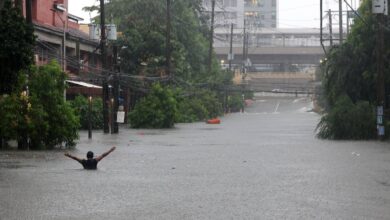
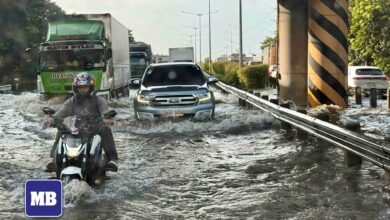
Every year, millions of Filipinos experience flooding caused by typhoons, monsoon rains, clogged waterways, and rapid urbanization. Streets become rivers, homes are submerged, businesses shut down, and communities suffer billions of pesos in damages. While flood control projects often focus on bigger drainage systems and pumping stations, experts around the world are looking at a different solution: sponge cities. Instead of quickly pushing rainwater away, sponge cities are designed to absorb, store, and slowly release water back into the environment. As climate change brings stronger storms to Southeast Asia, many experts believe sponge cities could become one of the country’s most important long-term solutions.
What Is a Sponge City?
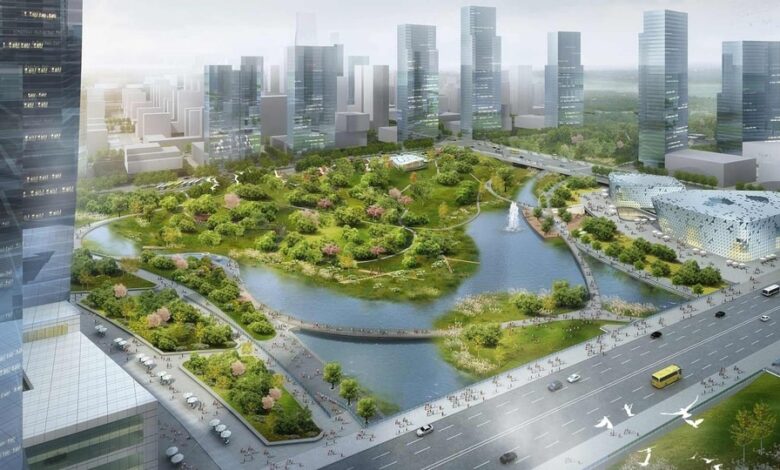
A sponge city is an urban area designed to behave like a giant sponge during heavy rainfall. Instead of allowing rainwater to bounce off concrete roads and buildings and immediately overwhelm drainage systems, sponge cities allow water to seep into the ground naturally. This is achieved through parks, wetlands, permeable roads, green roofs, rain gardens, ponds, and open spaces that capture rainwater. The goal is not to fight water, but to live with it and manage it intelligently. China officially adopted the concept in 2014 after repeated flooding disasters affected many of its cities.
Why Does the Philippines Need Sponge Cities?
The Philippines is one of the most flood-prone countries in the world. Metro Manila alone regularly experiences severe flooding even after only a few hours of heavy rain. Decades of urbanization replaced soil and vegetation with roads, parking lots, malls, and buildings that prevent rainwater from being absorbed naturally. At the same time, waterways have become narrower because of encroachment, waste, and infrastructure development. Climate change is also increasing the intensity of rainfall events across the country. These factors make sponge cities not just an option but potentially a necessity for future urban planning.
How Would Sponge Cities Work in the Philippines?
Several strategies could be used if the Philippines adopts sponge city principles:
- Permeable roads and sidewalks that allow rainwater to seep underground instead of running directly into drainage systems.
- Rain gardens and bioswales beside roads to temporarily hold and absorb excess rainwater.
- Green roofs on malls, condominiums, schools, and government buildings.
- Urban wetlands and retention ponds that store floodwater during heavy rains.
- Expanded public parks and open spaces that double as temporary flood storage areas.
- Rainwater harvesting systems for homes, schools, and commercial buildings.
- River and estero rehabilitation projects to improve natural water flow.
These systems work together to slow, store, absorb, and reuse rainwater instead of treating it as waste.
Where Should Sponge City Projects Start?
The best locations for early implementation would likely be:
- Metro Manila
- Marikina
- Bulacan
- Pampanga
- Cavite
- Laguna
- Cebu City
- Davao City
These areas regularly experience urban flooding and have large populations that could benefit from improved flood resilience. Existing flood-prone communities could become pilot locations before expanding the model nationwide. Interestingly, the MMDA and international partners have already started discussions regarding a Metro Manila Sponge City Project. Pilot interventions are currently expected to begin in 2027.
When Should the Philippines Start?
The simple answer is immediately.
Traditional flood control projects often take years or even decades to complete. Climate change, however, is already increasing rainfall intensity today. Experts warn that future storms may bring larger volumes of water than existing infrastructure was designed to handle. Sponge city projects can be introduced gradually through building codes, zoning regulations, and public infrastructure projects rather than waiting for a complete overhaul of cities. Every new road, subdivision, and public building constructed today could already include sponge city principles.
But Would Sponge Cities Completely Stop Flooding?
No.
This is perhaps the most important question.
Sponge cities are not magic solutions that eliminate flooding entirely. Even China continues to experience severe floods despite major investments in sponge city infrastructure. Extreme weather events can still overwhelm even the best-designed systems. However, sponge cities can significantly reduce flood depth, slow floodwaters, reduce pressure on drainage systems, improve water quality, and shorten recovery times after storms. Think of them as reducing the damage rather than eliminating the threat altogether.
The Government’s Role in Building Sponge Cities
The Philippine government would play the biggest role in making sponge cities a reality.
National Government Responsibilities
- Update national building codes to require permeable surfaces and rainwater collection systems.
- Fund large-scale flood resilience projects.
- Protect wetlands, rivers, and watersheds from development.
- Create incentives for developers that adopt green infrastructure.
Local Government Responsibilities
- Preserve open spaces and parks.
- Enforce zoning regulations.
- Improve waste management to prevent clogged waterways.
- Integrate sponge city principles into city planning.
Private Sector Responsibilities
- Build greener developments.
- Install green roofs and rainwater harvesting systems.
- Reduce unnecessary concrete surfaces.
Without strong leadership and coordination, sponge cities cannot succeed because floodwater does not respect city boundaries or political jurisdictions.
ALSO READ: Permeable Concrete May Help Solve Manila Flooding
The Biggest Challenge: Cost and Political Will
The largest obstacles are not technology or engineering. They are funding, coordination, and long-term planning. Sponge city projects require investments that may not produce immediate political rewards. Some projects may also require land acquisition or restrictions on future developments. In a country where administrations and priorities frequently change, maintaining continuity could become difficult. Yet experts argue that the cost of doing nothing may be far greater than the cost of prevention.
A New Approach, A New Hope
Flooding has become a normal part of life for many Filipinos, but it does not have to remain that way forever. Sponge cities offer a new approach that works with nature instead of against it. Through green spaces, wetlands, permeable surfaces, and smarter urban planning, cities can become more resilient against stronger storms and climate change. The Philippines already has an opportunity to learn from countries that started this transition years earlier. The question is no longer whether the country needs change, but whether leaders are willing to act before the next major flood arrives. The future of sponge cities may ultimately depend on decisions made today.