Metro Manila Needs Its Wetlands as Calamities Strike
Every year, the Philippines prepares for the familiar cycle of storms, floods, evacuations, damaged roads, suspended classes, and disrupted livelihoods.
According to PAGASA, an average of 20 tropical cyclones enter the Philippine Area of Responsibility every year, with about 8 or 9 crossing the country. For many Filipinos, disaster preparedness is not an occasional concern. It is part of life.
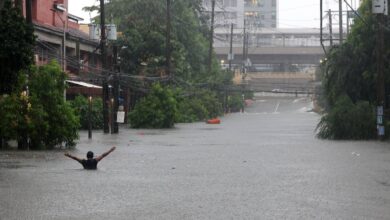
The problem is especially urgent in Metro Manila. A few hours of intense rainfall can be enough to flood major roads and place families in low-lying areas at risk. But rainfall alone does not explain why flooding has become such a persistent problem.
Flooding Goes Beyond Heavy Rainfall
In Metro Manila, flooding is worsened by clogged waterways, improper waste disposal, aging drainage systems, rapid urbanization, and the loss of natural spaces that once helped absorb rainwater.
When canals and drainage lines are blocked by garbage, water has nowhere to flow. Open land is replaced by concrete, and rainwater has fewer places to seep into the ground. As old drainage systems face heavier rainfall and denser communities, flooding becomes harder to manage.
Flood control cannot be treated only as a matter of engineering. Drainage systems, pumping stations, floodways, and road improvements are necessary, but they are not the whole solution.
Urban Growth and the Loss of Natural Buffers
As cities expand, the spaces that once helped manage floodwater are often reduced or removed. Over time, urban development can weaken the natural pathways that water once flowed through the landscape.
This creates a deeper problem. A city may continue to grow, but if its natural drainage systems are damaged, it becomes more vulnerable to flooding. Water does not disappear simply because land has been developed. It looks for another path, often through streets, homes, and communities.
Metro Manila’s flood problem, therefore, is not only a weather problem. It is also an urban planning and environmental protection problem.
RELATED: Where did the billions in flood control projects go?
The Added Pressure of Coastal Risk
Low-lying coastal communities are exposed not only to heavy rainfall but also to storm surges, rising sea levels, and land subsidence. When heavy rains meet high tides or coastal surges, floodwater can become harder to drain. In vulnerable areas, this can increase the danger to families, roads, businesses, and public infrastructure.
Protection matters as open coastal ecosystems help reduce the force of coastal hazards.
Nature is Part of the Infrastructure
Around the world, governments and communities are increasingly recognizing the importance of nature-based solutions in disaster risk reduction. Wetlands, forests, mangroves, rivers, and open spaces help reduce the impact of floods and storms by performing functions that are difficult and expensive to replace.
In highly urbanized places, these natural systems become even more valuable because they are often the first to disappear. Once destroyed, they are difficult to restore. Once replaced by concrete, their protective function is usually lost.
For Metro Manila, this makes every remaining natural defense important.
A Strong Defense Along Manila Bay
The Las Piñas-Parañaque Wetland Park is part of this larger conversation.
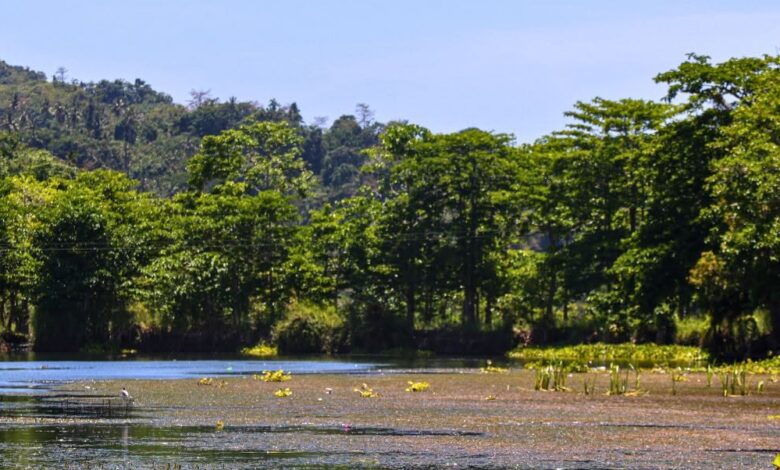
Located along Manila Bay, the wetland park is one of the last remaining natural coastal ecosystems in Metro Manila. Formerly known as the Las Piñas-Parañaque Critical Habitat and Ecotourism Area, it has been designated a Ramsar Wetland of International Importance for its ecological value.
But the wetland park should not be viewed only as a protected area for birds or a green space within the city. Its importance is much broader.
How LPPWP Help Protect Communities
Mangroves help slow down the movement of water and reduce the force of waves and storm surges. Their roots help stabilize coastal soil and provide shelter for marine life. Mudflats and tidal areas give water space to drain naturally. These features help reduce pressure on built drainage systems, especially during heavy rainfall and coastal flooding.
The wetland does not stop typhoons. It does not remove the need for flood control projects. But it helps reduce the impact of hazards by acting as a natural buffer.
In a metropolis facing annual climate risks, LPPWP stands as a natural defense system that continues to quietly serve the public.