
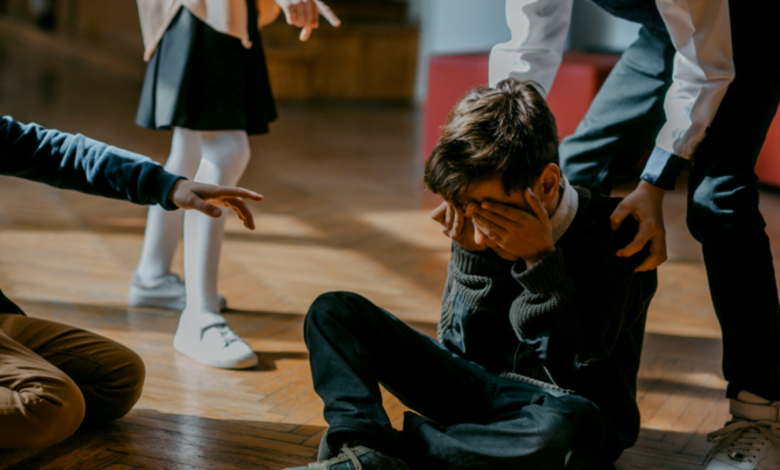
Bullying Turns Into Bloodshed: A New Kind of Youth Crisis
Three students are dead. Twenty more carry wounds that will not close for months. On June 22, two teenage boys walked into San Jose National High School in Tacloban City and opened fire on their own classmates. Investigators are still piecing together the motive, but the boys’ own words to police point to a familiar and uncomfortable place: years of being bullied, and a grudge that festered until it exploded into gunfire.
The Tacloban shooting has forced a national reckoning that goes beyond gun control or school security cameras. It has pushed the country to ask a harder question. What happens when a bullied child finds not comfort but company online, in spaces that turn resentment into ideology and isolation into rage?
The Roots of the Problem Run Deeper Than One Tragedy
Bullying in Philippine schools is not new, and for a long time it was treated as a rite of passage rather than a public health concern. UNICEF has noted that the Philippines recorded the highest rate of student bullying among the 80 countries that took part in the 2022 Program for International Student Assessment, even after the figure improved from 4 in 10 students in 2018 to 3 in 10 in 2022.
Teachers and parents often saw it as an ordinary childhood conflict. What the Tacloban case has exposed is how that ordinary conflict, left unaddressed for years, can calcify into something far more dangerous.
Police in Tacloban say the two suspects, aged 14 and 15, were close friends who told investigators they had been bullied since Grade 7. Whether that account fully explains their actions is still under investigation, and officials have cautioned the public against drawing firm conclusions before all the facts are in.
But the pattern is one that researchers who study youth violence recognize immediately. A child who is mocked, excluded, or humiliated for years does not simply forget it. Left without support, that pain can curdle into resentment, and resentment can be shaped by whoever offers the loudest, simplest explanation for it.
How Online Spaces Turn Private Pain Into a Shared Grievance
Various livestreaming and messaging apps become spaces where isolated young people, often boys, find communities that validate their anger rather than help them work through it. This is where the topic of incel culture enters the conversation, and it deserves to be handled with care rather than alarm. The term, short for involuntarily celibate, describes an online subculture, largely made up of young men who feel rejected by women and by society at large.
Researchers who study this space have found that many of the people drawn into it share a common history of being bullied, socially isolated, or struggling with untreated mental health conditions. The ideology itself is not the root cause of that pain. It is often something that arrives after the pain, offering a community and an explanation, however distorted, to young people who feel no one else is listening.
It would be inaccurate and unfair to suggest that most bullied children, or even most people who spend time in these online spaces, go on to commit violence. The overwhelming majority do not. But researchers and child safety advocates warn that these communities can normalize grievances and, in rare and extreme cases, nudge an already vulnerable young person toward violent action.
Building a Response That Meets the Scale of the Problem
The response so far has moved on several fronts at once. The Department of Education has ordered stricter entry protocols and security reviews in schools nationwide. The Senate has expanded its inquiry into how online platforms handle harmful content aimed at minors, with hearings that include testimony from police, child psychologists, and families affected by the shooting. Schools Division Offices in Eastern Visayas have deployed psychological first aid to hundreds of students and staff who witnessed the attack.
At the legislative level, there is also a quieter but meaningful push to treat mental health as infrastructure rather than an afterthought. Sen. Camille Villar has filed the Mental Health Officer Act, which would require every city and municipality in the country to employ a dedicated Mental Health Officer who would work with local governments and the Department of Health.
She has also pushed the Comprehensive Mental Health Benefit Act, which would expand PhilHealth coverage for psychiatric and psychological services, and a separate measure addressing workplace bullying and similar conduct, extending the same logic of early intervention beyond the classroom.
None of these measures alone would have prevented what happened in Tacloban. Together, they represent a recognition that the country’s mental health infrastructure has not kept pace with the pressures young Filipinos now face, both in the classroom and online.
READ — Gaming vs. Social Media: Which is More Beneficial?
A Problem That Demands Patience, Not Panic
There is no single policy that closes the gap between a bullied child and a functioning support system fast enough to prevent every tragedy. But the alternative, treating bullying as harmless and online radicalization as someone else’s problem, is no longer credible.
What the country needs now is not a single dramatic fix but a sustained one: schools that catch bullying early, families that recognize the warning signs of withdrawal and resentment, and a mental health system accessible enough that a struggling teenager does not have to look for answers in the darker corners of the internet.