Our Waters, Our Lives: What the South China Sea Dispute Means for Every Filipino
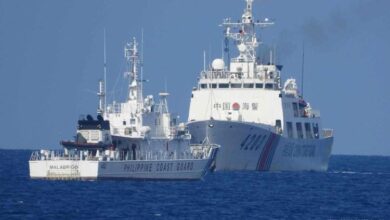
A scene has played out with alarming regularity in the West Philippine Sea. According to reports, ordinary Filipino fishermen are being driven out of the waters they have worked for generations. The vessels surrounding them are Coast Guard ships measuring up to 165 meters in length and displacing 12,000 tons.
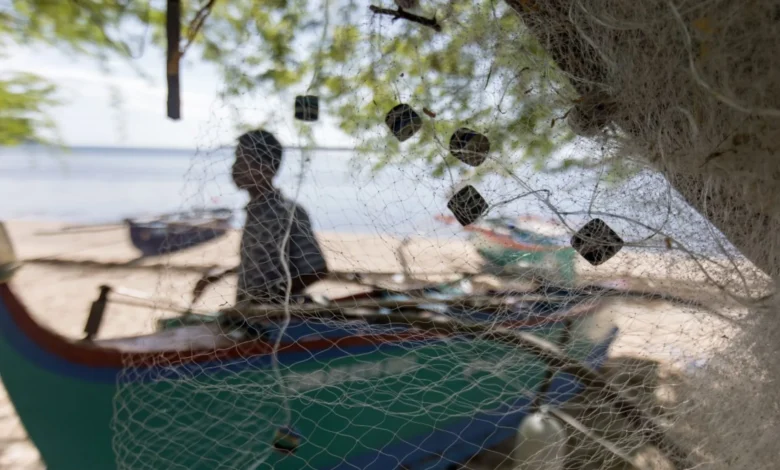
Last December, three fishermen returned home with bruises and open wounds. Two of their boats came back damaged. This is happening in our waters, right now.
What Is Actually Happening Out There
The South China Sea, or the West Philippine Sea as we rightly call the portion that falls within our 200-nautical-mile Exclusive Economic Zone, is not simply a geopolitical talking point. It is where thousands of Filipino fishermen earn their living. Resupply missions also cross them to reach Filipino sailors stationed on aging vessels.
In recent years, the same waters have become the site of repeated coercion, with Chinese Coast Guard ships firing water cannons, navy helicopters flying at unsafe altitudes over civilian boats, and fishing vessels having their anchor lines cut in rough seas.
China claims nearly the entire sea based on a so-called nine-dash line, a sweeping boundary that overlaps the legitimate maritime zones of the Philippines, Vietnam, Malaysia, and others. In 2016, an international arbitral tribunal ruled that China’s claims had no basis under international law. China has refused to recognize that ruling to this day.
This matters because the alternative to international law is simply power. Whoever has the biggest ships gets to decide. And that is precisely what we are watching play out.
This Is Everyone’s Problem, Not Just the Navy’s
An estimated $5.3 trillion worth of commercial goods passes through the South China Sea every year. Roughly a third of all global maritime trade moves through these waters. What happens when those lanes become genuinely unstable?
We already have a preview. The escalating conflict involving Iran and Israel has directly impacted the Strait of Hormuz, through which approximately 20% of the world’s seaborne oil and nearly 19% of global LNG volumes normally pass. Fuel prices have risen sharply, feeding through supply chains and raising the cost of producing and moving goods worldwide.
It’s worth noting that the South China Sea is one of the world’s most trafficked waterways, with vessel density outpacing that of the Mediterranean and dwarfing the Caribbean.
For the Philippines, the stakes are high. Our geography places us at the center of these routes, making us both vulnerable and vital. Security, in this sense, is not a military issue separate from daily life; it is daily life.
The Philippines Is Not Standing Still
At the 2026 Shangri-La Dialogue, Secretary Teodoro introduced a vision of the Philippines as the “Archipelagic Sentinel, Guardian of the Freedom of the Seas.”
The concept, developed by maritime law professor Jay Batongbacal, reframes our country’s position not as a small nation passively absorbing pressure from a larger power, but as a strategic convergence point where the interests of many like-minded nations align.
“In a fragmenting world,” Teodoro said, “the Philippines is thus providentially blessed to convene international actors of every stripe in defense of shared principles, particularly freedom of the seas.”
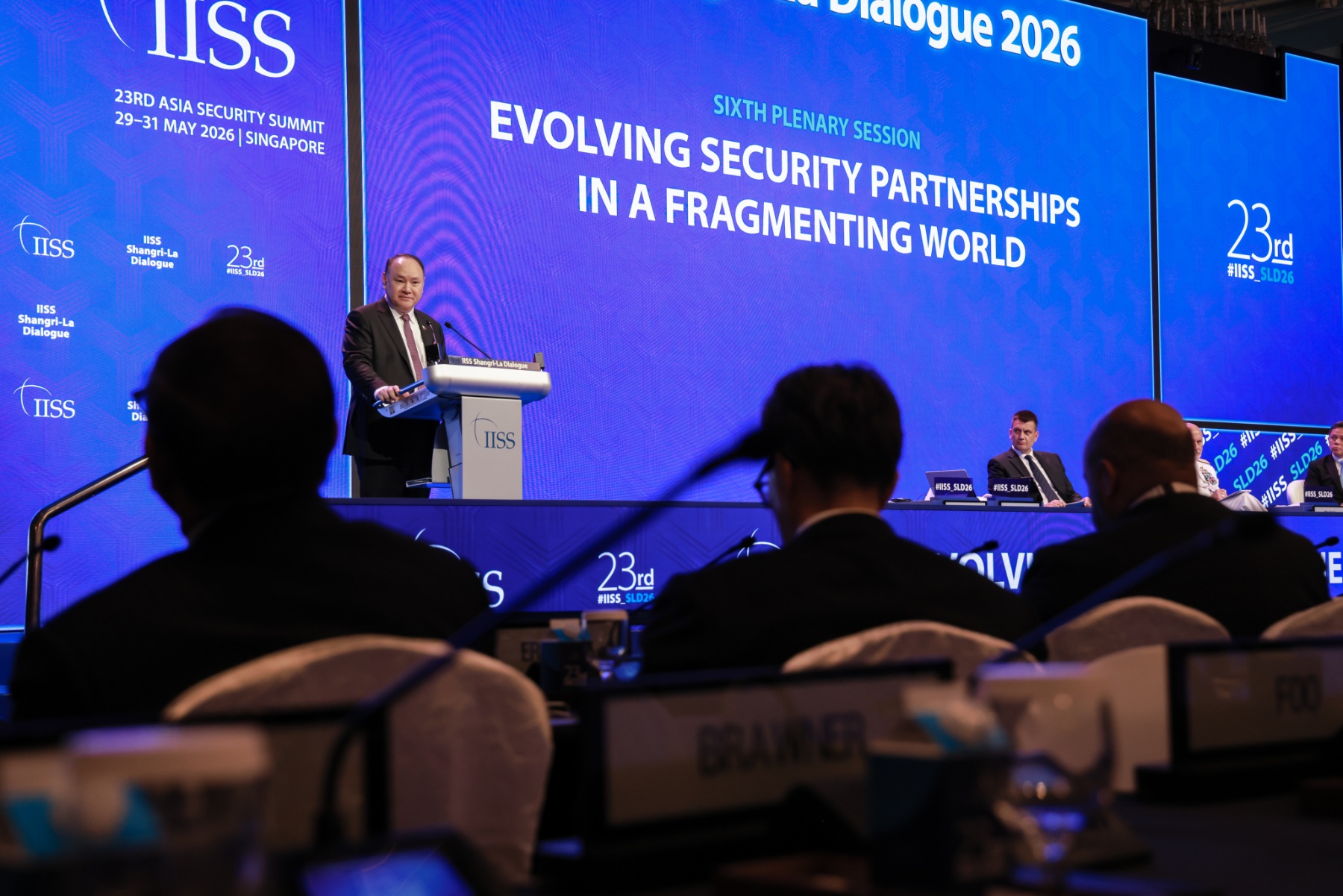
This vision rests on four commitments. Defending sovereignty and territorial integrity through modern defense capabilities; upholding the international rule of law, including UNCLOS and the 2016 Arbitral Award; preserving ASEAN centrality and resisting any single hegemon’s undue influence over the region; and building deterrence through partnerships with countries that share the Philippines’ commitment to protecting rights under international law.
Regarding China, Teodoro was direct. The PRC, he argued, continues to disregard the 2016 Arbitral Award despite being legally bound by it.
“For the PRC, negotiations are not a path to conflict resolution,” Teodoro said, “but a means of gaining advantage. And we will not be deceived.”
Its calls for the Philippines to negotiate follows what he described, citing a recently published book by retired Indian Foreign Secretary Vijay Gokhale, as a “talk-and-take strategy,” diplomacy that gives the impression of restraint even as ground realities are fundamentally altered.
A Framework for What We’re All Facing
The Philippines was not alone in clearly naming the stakes. In his remarks at the 2026 Dialogue, Singapore Defense Minister Chan Chun Sing offered a framework that cuts to the heart of what countries like the Philippines are navigating.
Conflicts today, Chan argued, have evolved along “three beyonds,”
Beyond geography, because security threats now cross borders through supply chains, disinformation, and disrupted production chains. Beyond military firepower, economic insecurity and domestic instability are themselves conditions for conflict. And beyond the here-and-now, because the choices made today determine whether the rules-based order is still standing for generations that follow.
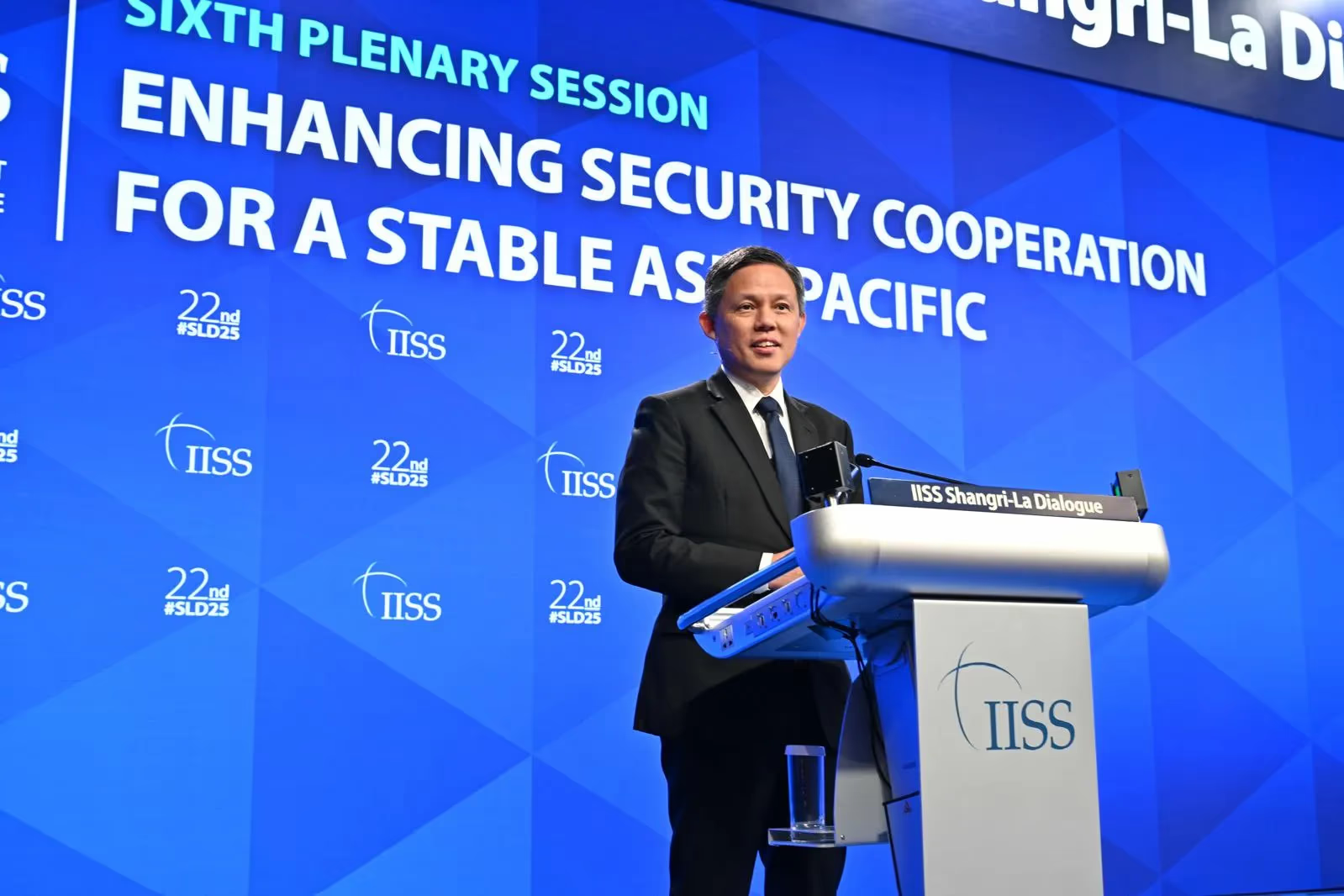
Nations, Chan said, must respond along three “Ps” of principles, partnerships, and domestic politics.
Preserve the principles critical to security and progress, including rules like UNCLOS that keep sea lanes open; build flexible, issue-based partnerships; and strengthen domestic confidence, because trust abroad requires confidence at home.
“We are not pro-US or anti-US, we are not pro-China or anti-China,” Chan said, “We are pro-ASEAN.”
For a small nation asserting rights that an international court has already affirmed, this is not abstract philosophy. It is a precise description of the choice at hand.
Question of Confrontation
Some Filipinos ask why provoke a neighbor so much larger than us? Why not find accommodation in Beijing, as some other countries have attempted?
It is a fair question that deserves a serious answer.
Countries that have tried quiet accommodation have not necessarily fared better in terms of actual on-water outcomes. More fundamentally, accepting a framework in which a more powerful nation can override an international tribunal’s ruling sets a precedent that weakens every smaller nation that will ever need those same rules to protect itself.
The Philippines is not picking a fight. It is asserting rights that an international court has already affirmed, and there is a significant difference between the two.
RELATED — China Provoking PH in the WPS: Understanding the Escalating Tensions
What We Should All Understand
The events in Singapore last week were significant not because of the speeches themselves, but because of what they represent: a Philippines increasingly clear-eyed about the challenge it faces, capable of articulating its position to the world, and embedded in a network of partnerships that give its voice real weight.
None of this guarantees calm waters. The pressure will not abate overnight.
But the alternative, choosing silence, isolation, or unilateral concession, offers no better guarantee of peace. It only surrenders the one principle we cannot afford to lose. A small nation’s rights, backed by law and by partners who share that commitment, are worth defending.
The fishermen who sail out each morning into the West Philippine Sea deserve nothing less.