
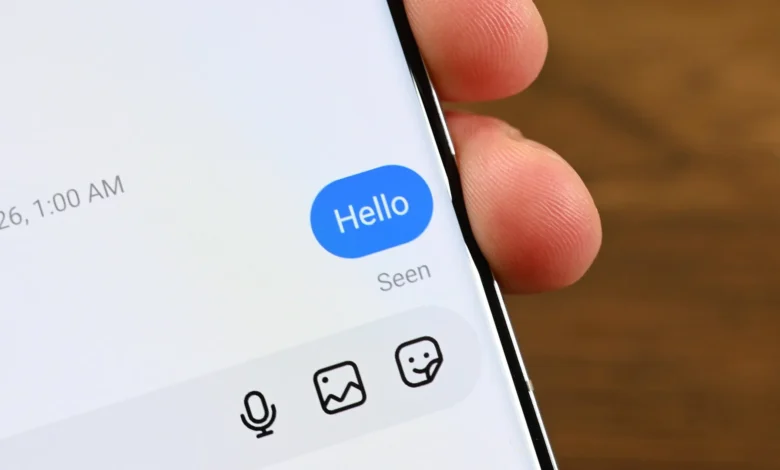
Gen Z Communication and the Emotional Labor Behind the “Seenzone”
Gen Z communication in the Philippines no longer begins and ends with words. In the age of messaging apps and group chats, silence now comes with timestamps…and that silence can suddenly feel personal. Because even though social media makes talking faster and more convenient, it has also created new emotional pressures that many young people quietly carry every day.
Softening the Blow
Filipinos have long been known for indirect communication (hiya). When a friend asks us to hang out, instead of a hard “no,” we often say things like “baka next time” or “tignan ko.” It’s not that we’re being dishonest; we just want to avoid unnecessary conflict.
Gen Z didn’t abandon this mindset online. If anything, they transformed it.
Now, this emotional labor happens through delayed replies, carefully chosen emojis, and three dots that disappear in chat logs. If you say “ok,” it can feel cold to the recipient. If you reply with a thumbs-up emoji instead of a heart, it can seem dismissive. Even punctuation marks can carry emotional meaning!
The Pressure to Sound “Okay” Online
Whether intentional or not, Gen Z communication has since become a form of emotional management. Many find themselves constantly adjusting the tone of their message:
“If I say this, will I sound rude?”
“Should I add an emoji?”
“Will I sound angry if I end this with a period?”
Ironically, “seenzoning” a message can involve emotional labor. Some people avoid replying altogether (ghosting) because they don’t know how to reject someone gently. Others just feel emotionally drained to continue conversations but still carry guilt for not responding.
READ: “Rejection Therapy” in a Culture That Rarely Says “No”
More Connected, More Exhausted
What’s interesting about Gen Z communication is that people are now more reachable than ever, yet conversations feel heavier. We may not see each other face-to-face, but we internalize this pressure to stay available, responsive, and emotionally careful in our messages. The platform may have changed, but the instinct remains the same: to protect relationships, avoid tension, and make sure no one’s offended by what we say (or not say).