Megaworld Hotel Expansion Signals Where Philippine Tourism Is Headed
Megaworld’s hotel expansion is not just about adding rooms across the Philippines. It’s about reshaping how destinations are formed, where hotels are no longer stops in a trip but the center of entire communities.
What looks like a simple rollout of six new hotels and nearly 2,000 room keys is actually a bigger play. Each property is being planted inside a township that already behaves like a small city.
Not random sites. Not standalone towers. Built-in ecosystems.
Hotels are no longer endpoints for Megaworld
Traditionally, hotels follow demand. In this model, they help create it.
Megaworld Corporation builds the township first, then anchors it with a hotel that becomes part of its daily rhythm.
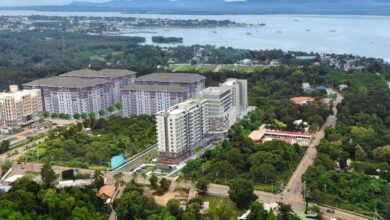
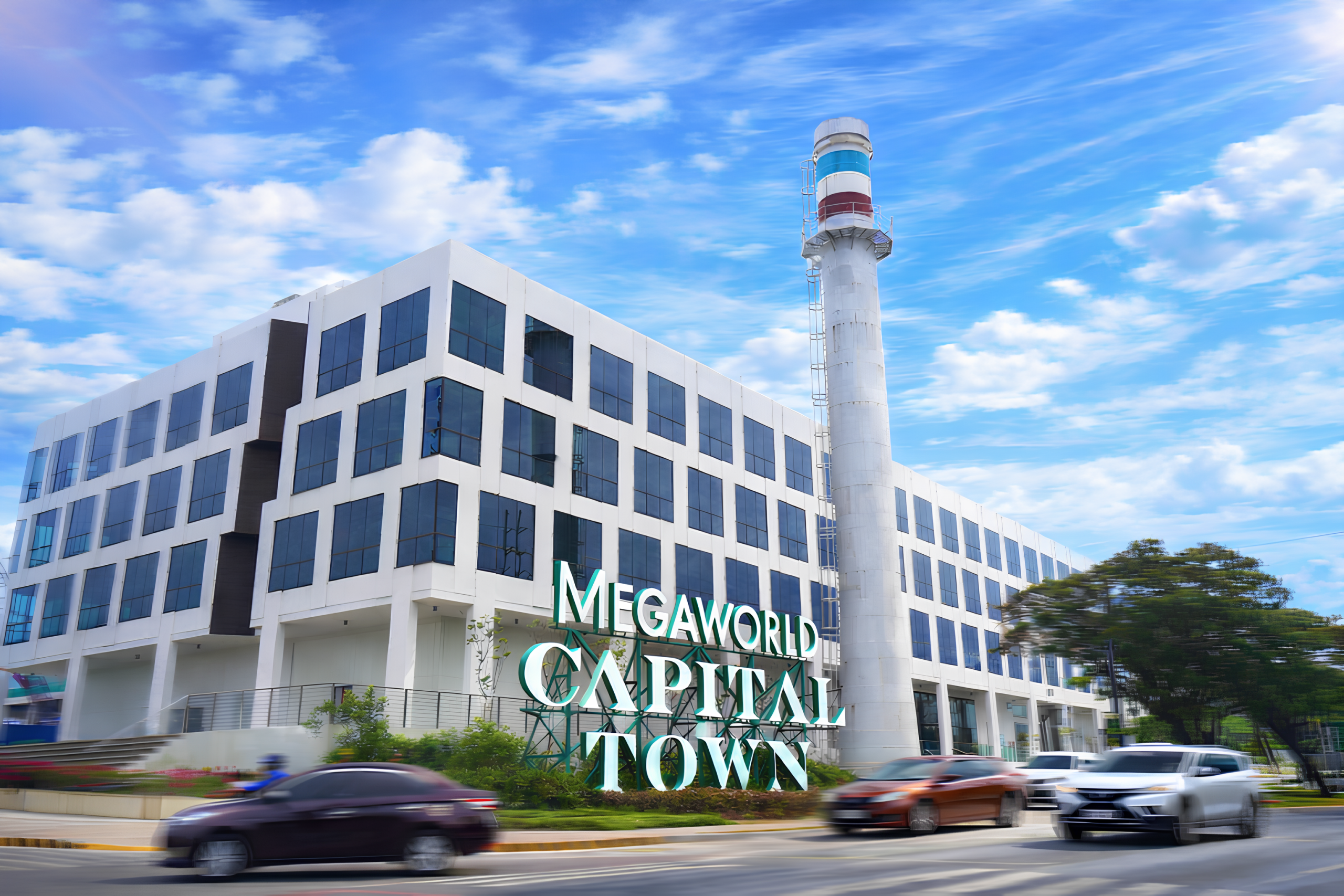
In Pampanga, Savoy Capital Town sits inside a former sugar estate being reshaped into a full district of offices, residences, retail, and open spaces. The hotel is not separate from the city; it operates inside its structure.
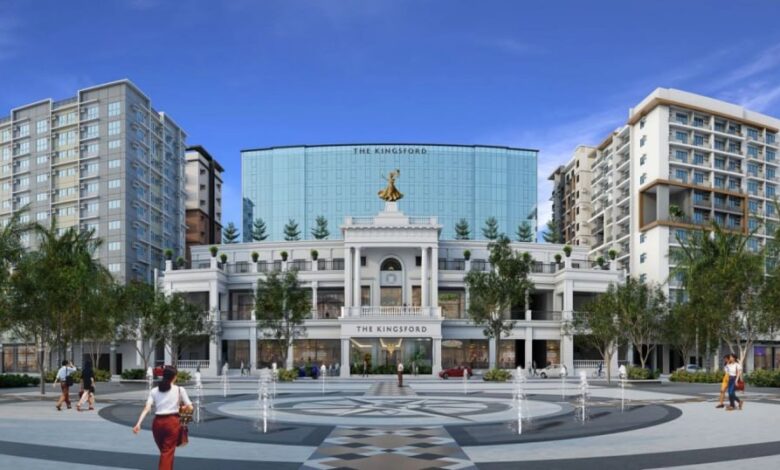
In Bacolod, The Kingsford inside The Upper East operates within a masterplanned community inspired by local heritage but designed for modern urban use. Its ballroom and executive lounge are built for sustained business activity, not occasional traffic.
In Palawan, Savoy Hotel Palawan and Paragua Sands Hotel sit inside the 462-hectare Paragua Coastown in San Vicente. The development is structured around coastline access and long-term eco-tourism planning, making the hotel part of a wider regional system.
The pattern is consistent across locations: hotels function as entry points into larger environments.
Tourism is shifting where it happens
The Megaworld hotel expansion is also redrawing where tourism develops.
In Laguna’s Lake Caliraya area, The Hamptons Hotel is positioned within a lake-and-mountain landscape integrated into a township framework, combining leisure with residential growth.
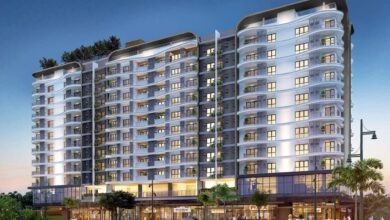
In Pasig, ArcoVia Hotel is rising inside ArcoVia City, set to become one of the tallest hotel structures in Megaworld’s portfolio, located beside an established urban landmark.
These locations are not traditional tourist clusters. They sit between categories: part residential, part business, part leisure.
That overlap is where the strategy is focused.
RELATED: Megaworld Q1: While Others Wait for Buyers, It’s Already Earning
What the expansion actually signals
Hotel and leisure revenue reached ₱1.5 billion in the first quarter, supported by new openings and an expanding portfolio of brands like Savoy, Belmont, Richmonde, Kingsford, and Chancellor, alongside international partnerships such as Marriott, Mercure, and Mövenpick.
But the financials only tell part of the picture.
This Megaworld hotel expansion reflects a structural shift in how hospitality is being positioned. Hotels are no longer treated as endpoints for travel. They are being embedded into environments that already function as complete destinations.
The result is a different kind of movement for travelers, one where the destination is not something you arrive at and leave, but something you stay inside.