
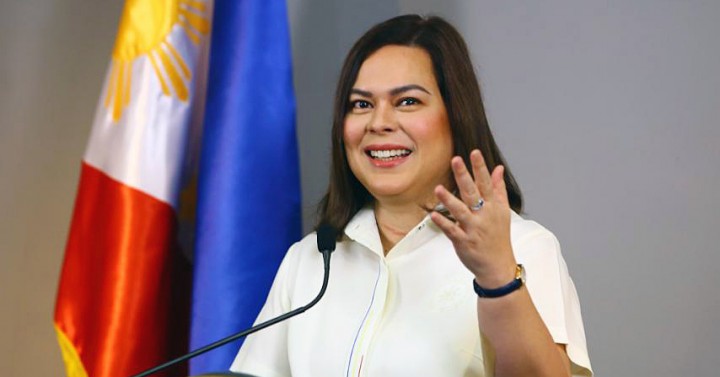
Duterte Presidency 2028: The Race That’s Already Loud Even If It Hasn’t Started
A Duterte presidency 2028 is already being whispered, argued about, and ranked in surveys long before the race even officially exists.
That’s Philippine politics in a nutshell. We don’t wait for campaigns. We start building narratives years ahead, then act surprised when they shape reality.
But here’s the thing: early noise is not the same as final direction. It’s just the first draft of a story nobody has finished writing.
Why Sara Duterte looks strong (for now)
Sara’s advantage isn’t just popularity, it’s structure.
- Dynasty strength: The Duterte brand remains one of the most resilient political machines in the country.
- Emotional voting base: Support is still deeply tied to her father’s legacy and identity politics.
- Opposition fragmentation: No single challenger has consolidated the anti-Duterte vote.
- Weak field (so far): Many potential contenders are either undecided or politically cautious.
Even critics acknowledge she currently benefits from a lack of a unified alternative. But a Duterte presidency in the 2028 elections might be possible.
Who could realistically challenge her?
At this stage, the “everyone else” camp is still forming. The names most often discussed include:
Risa Hontiveros represents continuity in opposition politics: steady, credible, and policy-driven. But credibility does not automatically scale into nationwide dominance.
Leni Robredo still carries the memory of a highly mobilized 2022 campaign, one that proved emotional narratives can briefly overpower machinery. But whether she returns to national politics remains uncertain.
Bam Aquino offers a reformist identity tied to legacy politics and youth appeal, but he still needs a broader coalition to break beyond recognition into competitiveness.
And then there are wildcard figures whose appeal is strong but whose political structure is still unclear.
Individually, these are viable voices. Collectively, they are fragmented signals. In Philippine elections, fragmentation is basically a head start for whoever is already organized.
So—is a Sara presidency inevitable?
Not quite.
She is currently:
- Front-runner? Yes.
- Inevitable winner? No.
Philippine elections have repeatedly shown that early frontrunners can collapse, late surges are common, coalitions often matter more than individual personalities, and voter sentiment can shift quickly, especially when major issues like inflation, corruption, or national crises come into play.
The real turning point has not happened yet
The direction of the 2028 election will not be decided by early polling, but by whether opposition forces eventually converge or remain separate lanes competing for the same voter base.
At this point, the election isn’t just about Sara Duterte.
It’s about whether the Philippines can produce:
- a unified opposition candidate, or
- another fragmented field that hands the race to a dominant political machine
And that sets up the real tension: Is 2028 a coronation or a real contest waiting to happen?