
Oil Price Hike in PH: Panahon na bang Gawing Fuel ang Basura?
As global oil prices continue to climb, Filipinos are once again bracing for higher transport costs, rising goods prices, and tighter household budgets. This ongoing oil price hike in the Philippines is not new, but the question remains: do we have a solution hiding in plain sight?
Surprisingly, the answer might be sitting in our trash bins.
From Waste to Fuel: A Local Solution Emerges
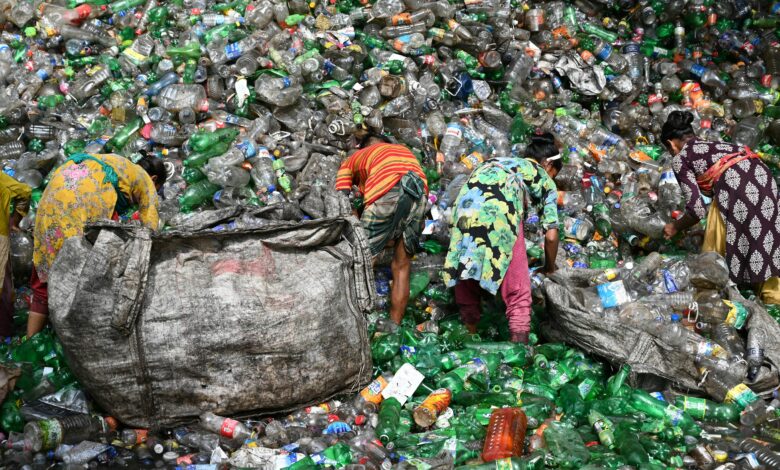
In Barangay Luz, Cebu City, a pilot project is proving that non-biodegradable waste can be more than just landfill material. Over 5,000 kilograms of plastic and other trash have already been collected and converted into “fluff fuel,” an alternative energy source that can partially replace coal.
This isn’t just theory. Industries are already using fluff fuel as a substitute for traditional fossil fuels. It burns efficiently, produces fewer carbon emissions, and gives waste a clear purpose instead of letting it pile up in dumpsites.
Additionally, the project doesn’t just reduce waste; it creates a system. Residents are trained to properly segregate trash, while “eco-warriors” monitor compliance. Even students are learning how to turn plastic into eco-bricks, making sustainability a daily habit.
The Bigger Problem: Oil Dependence
The Philippines remains heavily dependent on imported fuel. When global oil prices rise, the effects ripple quickly across the economy—from jeepney fares to grocery prices.
This is why the current oil price hike in the Philippines hits hard. It exposes a long-standing vulnerability: we rely too much on external sources for energy.
However, at the same time, the country generates an estimated 500,000 kilos of waste daily. It’s not just waste; it’s wealth in the wrong place.
Fluff Fuel: The Promise
Fluff fuel offers real advantages. It reduces landfill waste, lowers carbon emissions, and provides a more affordable alternative to coal. It also opens up economic opportunities through waste processing and local job creation.
However, scaling this solution nationwide is not simple.
For one, proper waste segregation is still inconsistent in many communities. Without disciplined sorting, the raw materials for fluff fuel become harder to collect. Infrastructure is another challenge. Facilities that convert waste into fuel require investment, coordination, and long-term planning.
Moreover, fluff fuel is not a complete replacement for oil. At least for now, it works best as a supplement, especially for industrial use.
So, Panahon na Ba?
The technology exists. The waste is abundant. The need is urgent.
What’s missing is scale and sustained support.
If local governments, private companies, and communities align, fluff fuel could become part of a broader strategy to reduce dependence on imported energy. It may not solve the entire oil crisis, but it can ease the pressure, especially during another oil price hike in the Philippines.
A Question Worth Asking Amidst the Oil Price Hike Crisis
As fuel prices continue to rise, Filipinos are forced to adjust once again.
But maybe the better question is this:
If we already have the raw materials and a working solution… bakit hindi pa ito priority?