EDSA 1986: Triumph or Temporary Victory?
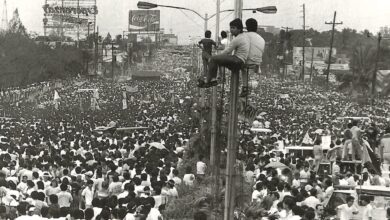
From February 22 to 25, 1986, millions of Filipinos stood on EDSA facing tanks and rifles with nothing but rosaries, chants, and courage. The revolution toppled the Marcos dictatorship, restored democratic rule, and became a symbol of restraint and unity. Yet looking back today, one must ask whether the sacrifices of those four days were enough. Did the revolution deliver lasting change or was it only a fleeting victory that allowed the same structures of power to survive?
Trust Cannot Be Taken for Granted
The uprising ended the two-decade rule of Ferdinand Marcos Sr. and installed Corazon Aquino in Malacañang. But the story of EDSA is far richer and more complex. It was the culmination of 14 years of struggle by students, labor leaders, human rights defenders, progressive Church members, and even underground fighters. Those four days were not a revolution in isolation. They were the moment when the long resistance converged into an unmistakable assertion that the people could reclaim their democracy.
EDSA showed that power without legitimacy collapses. Marcos Sr. may have commanded institutions, resources, and even fear, but when segments of the Armed Forces of the Philippines withdrew support and millions of citizens mobilized, his control fell apart. Authority is not permanent. It survives only if it is earned and sustained through transparency and service to the people.
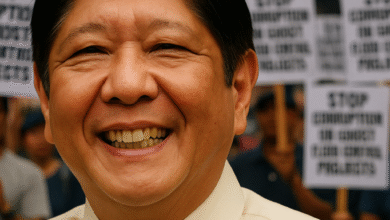
Today, the son of the dictator ousted in 1986, now serves as president after winning the 2022 election. Political dynasties remain entrenched. Corruption persists.
Democracy Requires Vigilance
The revolution restored political freedoms, but it did not automatically dismantle inequities or social hierarchies. The Mendiola Massacre of 1987 revealed that the old elite and military resisted meaningful reform. Land reform remained incomplete, economic opportunities were limited, and foreign influence continued to shape national policy.
The revolution created hope, but hope alone was not enough. Democracy must be defended and nurtured. Citizens are the ultimate check on power, yet avenues for influence are fragile and require constant engagement.
Courage and Conscience Defined Success
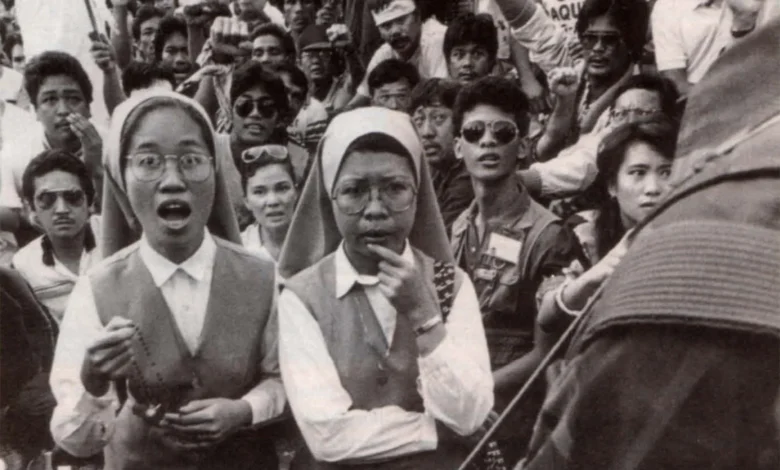
The most enduring image of EDSA is the unarmed crowd confronting armed forces. That courage was rooted in conscience and restraint. Discipline mattered. Tanks faced civilians. Guns faced rosaries. The people’s conviction prevented violence from defining the outcome.
As Melandrew Velasco and co-authors note in Silver Linings, EDSA was a revolution of restraint. Its lessons on moral courage are timeless. Today, movements face the challenge of fragmented leadership, lack of unity, and weak moral authority. Courage alone is not enough. It must be combined with principle, clarity, and shared purpose.
Economic Justice Remains Unfinished
Political freedom is fragile if it does not lead to tangible improvement in people’s lives. Land reform loopholes, concentrated wealth, and poverty persist decades later. Economic dignity, institutional integrity, and national unity remain the unfinished work of EDSA. As Velasco writes, the silver lining of the revolution lies not in nostalgia but in the possibility of nation-building still ahead.
The return of Marcos Jr. and the persistence of political dynasties show that the promise of EDSA is still incomplete. Democracy requires more than ballots and slogans. It requires reform that reaches the poor, enforces accountability, and ensures institutions serve citizens rather than elites.
READ – The Marcos Game Returns: Musical Chairs in Today’s Cabinet
The EDSA Shrine stands for courage, conscience, and the people’s power. The four days of February 1986 were historic. The work left is building economic dignity, strong institutions, and national unity. That work will show if the revolution was more than a moment and if its lessons still matter today.