
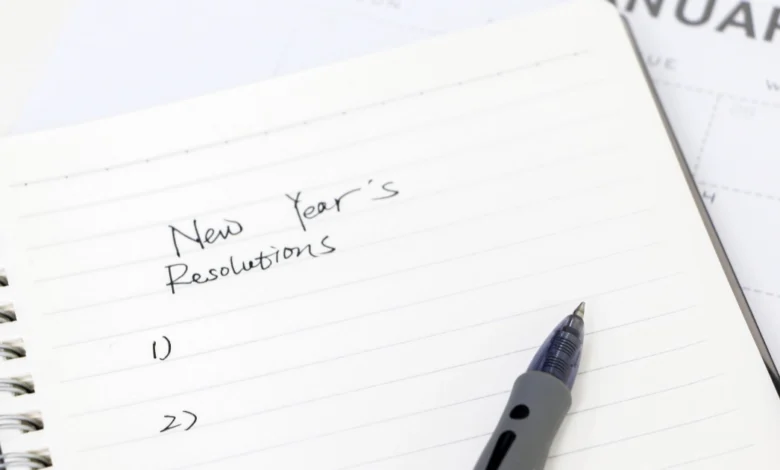
Here’s the Bright Side to Failed New Year’s Resolutions
By mid-January, we check to see if we’re keeping up with the goals we’ve set early on. As a result, we tend to view failed New Year’s resolutions as proof that we didn’t try hard enough or that we gave up too soon. However, local experts and writers suggest that this isn’t a personal flaw, and here’s why.
Most Don’t Finish Their Resolutions
Local surveys show that only a small number of Filipinos fully accomplish their New Year’s resolutions. In a report by SunStar, many start the year with clear goals, but only 1 in 5 see them through. The rest either make partial progress or stop altogether, often within the first few weeks.
This pattern helps explain why failed New Year’s resolutions are far more common. In a separate interview with PhilStar, Dr. Edward B. Jurilla, MD, points out that motivation often dips once regular routines return. Work, responsibilities, and fatigue take over, making long-term change hard to sustain.
Why January Makes Change Harder
In an editorial published in the Manila Bulletin, New Year’s resolutions are described as a “tradition of hope and challenge,” with optimism colliding with reality soon after the holidays. If you think about it, January carries the aftermath of the “Ber” months’ festivities: financial strain, social obligations, and emotional exhaustion.
Experts explain that habits formed over years don’t disappear simply because the calendar changes. When we don’t meet our goals, we automatically say it’s because we’re lazy. But realistically, it’s the accumulation of timing, stress, and limited energy that causes this.
Failed New Year’s Resolutions as Mirrors
In their piece on Lifestyle.INQ, Steffani Samson argues that resolutions often reveal more than they fix. These can expose what we value and where our routines pull us back. For example, exercising more may highlight time constraints, or saving money may show deeper concerns about security and control.
From here, failure becomes informative. They actually help identify invisible patterns, offering insight into our priorities and contradictions, which often go unnoticed. And as Wazzup Pilipinas notes, progress doesn’t have to be an “all-or-nothing” scenario. Because even paused or abandoned resolutions can help us recalibrate.
READ: 5 Bad Pinoy Money Habits You Might Be Doing
Let’s remember that effort still matters. How about instead of viewing failed New Year’s resolutions as such, we treat them like checkpoints? Because sometimes, understanding why a goal didn’t work is our first step towards more meaningful change.