2025 in PH Politics: A Year of Impeachment, Protests, and Political Realignment
The year 2025 became one of the most turbulent periods in recent PH politics. It saw the impeachment of a sitting vice president, the arrest of a former president by an international court, a tense midterm election, and months of protests over alleged corruption. Together, these events reshaped political alliances and tested public trust in government institutions. PH politics were dramatically affected by these collective challenges.
Here’s how the year unfolded—and what remains unresolved.
January: Political Lines Are Drawn
The year opened with rising political tension as impeachment complaints against Vice President Sara Duterte gained attention in Congress. On January 13, the Iglesia ni Cristo (INC) held a massive rally in Metro Manila calling for political stability and opposing impeachment moves. The demonstration drew hundreds of thousands, signaling how deeply divided public opinion had become even before election season began.
February: Impeachment Rocks the Government
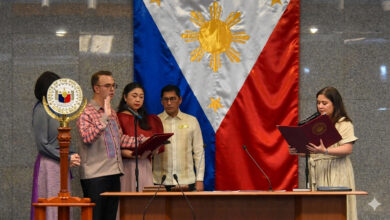
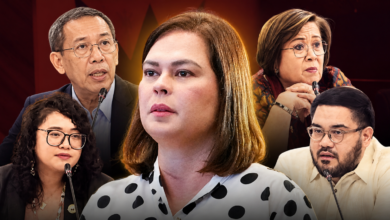
On February 5, the House of Representatives voted to impeach Vice President Sara Duterte. The charges centered on alleged misuse of public funds and serious misconduct. It marked the first impeachment of a sitting vice president in Philippine history. This unprecedented event in PH politics raised many questions.
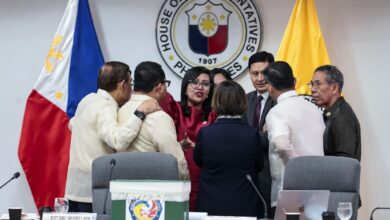
The articles were transmitted to the Senate, but uncertainty quickly followed as senators raised constitutional and procedural concerns about proceeding with a trial during an election year.
March: Duterte Arrest Shocks the Nation
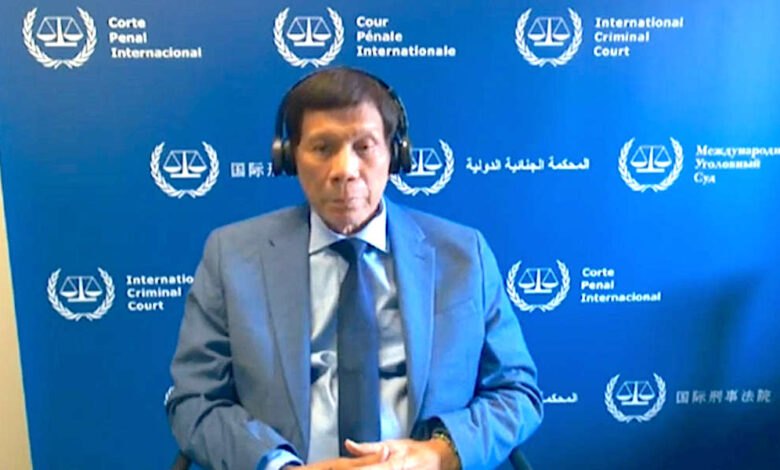
The most dramatic moment of the year came on March 11, when former President Rodrigo Duterte was arrested under a warrant issued by the International Criminal Court (ICC). The case stemmed from alleged crimes against humanity linked to his war on drugs.
Duterte’s arrest and transfer to The Hague triggered rallies, protests, and intense debate nationwide. Supporters decried foreign interference, while critics saw the arrest as a breakthrough for accountability in PH politics.
April: Campaigns and Security Concerns
As the midterm campaign intensified, authorities reported isolated election-related violence and intimidation in parts of the country. The government increased security deployments ahead of the polls, while political rhetoric between rival camps grew sharper.
May: Midterm Elections and Political Reset
On May 12, Filipinos voted in the midterm elections for all House seats and 12 Senate positions. Observers reported allegations of vote-buying, machine issues, and isolated violence, though voting proceeded nationwide.
Results were seen as a mixed outcome for President Ferdinand Marcos Jr., with administration allies failing to dominate the Senate. Days later, Marcos requested courtesy resignations from Cabinet members, signaling a possible reorganization. PH politics seemed poised for significant changes.
June–July: Impeachment Stalls
By midyear, it became clear the Senate was not moving forward with the Duterte impeachment trial. Lawmakers cited legal questions, while critics accused the chamber of avoiding accountability.
In late July, President Marcos delivered his State of the Nation Address, focusing on economic recovery and infrastructure while largely sidestepping impeachment and political rifts.
September: Flood Control Scandal Explodes
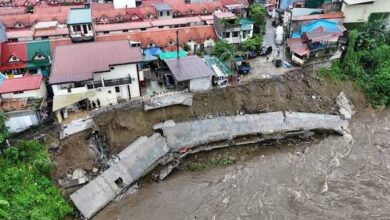
Public anger surged in September following reports of alleged corruption in flood control and infrastructure projects. Senate hearings revealed questionable bidding practices, triggering outrage as flooding continued to affect communities. Such scandals highlight enduring challenges in PH politics.
On September 21, tens of thousands joined the “Baha sa Luneta” protests, demanding accountability and transparency.
October–November: Protests Intensify
Demonstrations continued through October, led largely by youth and civil society groups. In November, the INC staged another massive rally, this time explicitly calling for accountability over corruption allegations.
READ: Zaldy Co details ‘maleta’ deliveries
A second wave of large protests later in the month reinforced public pressure on the government.
December: A Year Without Closure
As 2025 ended, the impeachment remained unresolved, corruption investigations were ongoing, and political alliances—especially between Marcos and Duterte camps appeared deeply fractured. The absolute collapse of the “UniTeam.”
Analysts described the year as one defined by institutional strain, civic mobilization, and unanswered questions that would carry into the years ahead. PH politics faced a relentless test throughout the year.
Voices Are Louder, But Are We Heard?
If 2025 proved anything, it is that power in the Philippines no longer moves quietly. Every attempt to delay accountability was met with protest. Every political calculation was scrutinized. Yet despite historic events, the impeachment of a vice president, the arrest of a former president, and months of mass demonstrations, the system repeatedly chose caution over consequence.
The real verdict of 2025 is simple: Filipinos showed up. The question now is whether their institutions ever will in addressing the core issues impacting the country.