
Christmas Truce of 1914: When Enemies Sang Together During WW1
One of the most remarkable moments in history happened during the Christmas truce of 1914, when soldiers on opposite sides of World War I stopped fighting and sang Christmas carols together. Instead of guns and anger, voices rose in song across the trenches, and men who had been trying to kill each other walked into no man’s land to meet. The world was at war, but for a brief moment, humanity and the holiday spirit took over. This event shows how shared traditions and compassion can break barriers even during conflict.
What Really Happened at the Truce
The truce occurred in December 1914, just months into World War I. Soldiers from Germany, Britain, France, and other countries began singing carols on Christmas Eve. The joyous music echoed across the battlefield, and troops on both sides responded with their own songs. Soon, guns quieted, and soldiers called out friendly greetings to each other across the front lines.
The Human Side of War
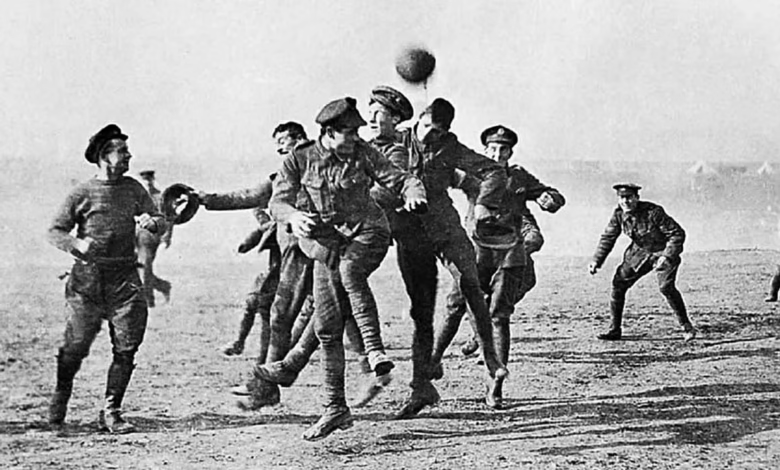
In many places along the Western Front, soldiers climbed out of their trenches unarmed on Christmas Day. They shook hands and exchanged small gifts like cigarettes, plum pudding, and buttons from their uniforms. Some even buried their dead together with respect and prayer. In a few areas, colorful impromptu football games broke out between former enemies.
The Power of Music and Shared Culture
Caroling became the bridge that brought soldiers together during the Christmas truce of 1914. German troops sang hymns and decorated their trenches with candles and small trees. Allied troops responded with familiar carols in English and Latin. Hearing familiar tunes reminded each side of home, family, and common belief — softening the harshness of war in that moment.
READ: Wha-Chi Battalion: Chinese Warriors Who Defended the Philippines
How Commanders Reacted
Despite the beautiful moment, senior officers on both sides were not happy. High command saw the fraternization as dangerous and a threat to discipline. Soldiers who participated faced criticism and were warned against repeating it. News about the truce was even downplayed so it wouldn’t inspire others to refuse orders.
Legacy and Symbolism Today
Though brief and unevenly spread, the Christmas truce of 1914 became a powerful symbol of shared humanity. It showed that even in the darkest times, people can choose peace, kindness, and connection. Letters and diaries from soldiers described the truce as “like a dream” in the middle of war. Many historians and artists remember it today as a lesson about compassion over conflict.
The Christmas truce of 1914 proved that even enemies can find common ground through song, kindness, and shared tradition. For one Christmas, bullets were silent and carols filled the air. It reminds us that compassion is a powerful force — sometimes stronger than war itself. Though the battle resumed soon after, the memory of that Christmas continues to inspire people around the world.